 Tel: +86-15876591363
  Email: Tony@aputon-transformer.com

- English
- 简体中文
- عربي
- БеларускаяName
- Русский язык
- Français
- ខ្មែរKCharselect unicode block name
- ກະຣຸນາ
- Ruwanda
- Malay
- বাংলা
- ဗာရမ်
- Zulu, eNingizimu Afrika
- Português
- 日本語
- ภาษาไทย
- Español
- IndonesiaName
- Tiếng Việt
- 繁体中文
Top 10 Transformer Manufacturers: Innovation & Technology Leaders 2024
2025-01-03 10:34:51
Click:
Transformers play a vital role in modern power systems, ensuring the efficient and reliable conversion of voltage levels to meet diverse operational needs.
As the world accelerates its push toward electrification and places greater importance on integrating renewable energy sources, the transformer market is witnessing impressive growth.
In this article, we take a deep dive into the top 10 transformer manufacturers globally, analyzing their market share and revenue. We will also explore their strengths and weaknesses, focusing on their products, technological advancements, and strategic direction.
Whether it's cutting-edge innovations or evolving business strategies, these manufacturers are shaping the future of power systems worldwide.
Global Transformer Market Overview
Before we dive into the details of the top transformer manufacturers, let’s take a step back and examine the current landscape of the global transformer market. The market is highly fragmented, with key players such as TBEA Co., Ltd.,Siemens AG,ABB Ltd.,General Electric,Mitsubishi Electric, and Schneider Electricleading the charge. As global electrification continues to advance and the adoption of smart grid technology and industrial IoT accelerates, the transformer market is poised for remarkable growth. By 2030, the global transformer market is projected to hit $49.27 billion, driven by a compound annual growth rate (CAGR) of 9.7%.
Key
Factors Fueling Market Growth
Several
key factors are contributing to the rapid growth of the global
transformer market:
Rising Electricity Demand: As populations increase and economies expand, global demand for electricity continues to surge, driving the need for more transformers to support this growth.
Renewable Energy Integration: With governments worldwide pushing for greater reliance on renewable energy sources like solar and wind, transformers play a critical role in incorporating these green energies into the grid, ensuring seamless integration.
Smart Transformers: Equipped with advanced monitoring and control capabilities, smart transformers enhance the efficiency and reliability of power grids. This emerging technology is set to significantly boost transformer demand in the coming years.
Upgrading Aging Grid Infrastructure: Many nations are investing heavily in upgrading outdated grid infrastructures to improve overall reliability and performance, further spurring demand for modern transformers that can meet these new requirements.
The following are some of the major trends affecting the transformer market:
Trend Category | Impact Level | Growth Potential | Example |
Smart Transformers | High | 9.5% CAGR | ComEd's $2.6 billion grid modernization project |
Green Technology | High | 8.7% CAGR | Installation of wind farms in Texas |
Digital Integration | Medium | 7.8% CAGR | UK National Grid's digital twin initiative |
Industrial IoT | High | 10.2% CAGR | Shell's predictive maintenance deployment |
Grid Modernization | High | 8.9% CAGR | India's RDSS program |
The Top 10 Transformer Manufacturers in the World
According to the latest market research and financial data, here are the top ten transformer manufacturers in the world for 2024:
Rank | Company | 2024 Revenue (Billion USD) | Headquarters | Main Products |
1 | Hitachi Energy | 66.28 | Switzerland | Liquid-immersed transformers, dry-type transformers, traction transformers |
2 | General Electric | 54.41 | USA | Generator transformers, distribution transformers, green transformers |
3 | HD Hyundai Electric | 48.1 | South Korea | Oil-immersed distribution transformers, cast resin distribution transformers, box transformers, pole transformers |
4 | Schneider Electric | 39.68 | France | Low-voltage transformers, medium-voltage transformers, instrument transformers, industrial control transformers |
5 | Siemens Energy | 37.7 | Germany | Large power transformers, medium power transformers, oil-immersed distribution transformers, dry-type transformers, compact substations, special transformers |
6 | Mitsubishi Electric | 35.81 | Japan | Generator step-up transformers, autotransformers, gas-insulated transformers |
7 | Toshiba Energy Systems & Solutions | 34 | Japan | Oil-immersed power transformers, corrugated tank distribution transformers, CSP transformers, dry-type transformers |
8 | ABB | 32.5 | Switzerland | Power transformers, distribution transformers, special transformers, instrument transformers |
9 | TBEA | 13.2 | China | Power transformers, HVDC transformers, special transformers, dry-type transformers, reactors, high-voltage instrument transformers |
10 | Jiangsu Huapeng Transformer | 1 | China |
Analysis of Leading Transformer Manufacturers
TBEA Co., Ltd.
TBEA
Co., Ltd.,
one of the giants in the power industry, has a fascinating history.
The company traces its roots back to 1958, when it was originally
founded as Hengyang Transformer Factory in Hengyang, Hunan—long
before it became the powerhouse we know today in Xinjiang.
In its
early years, TBEAfocused on manufacturing transformers, playing a key role in China’s
rapid power infrastructure development. With the country’s
reform and opening-up policies, TBEAtook its ambitions to the global stage, securing international
projects and sharing China's advanced power technology with the
world.
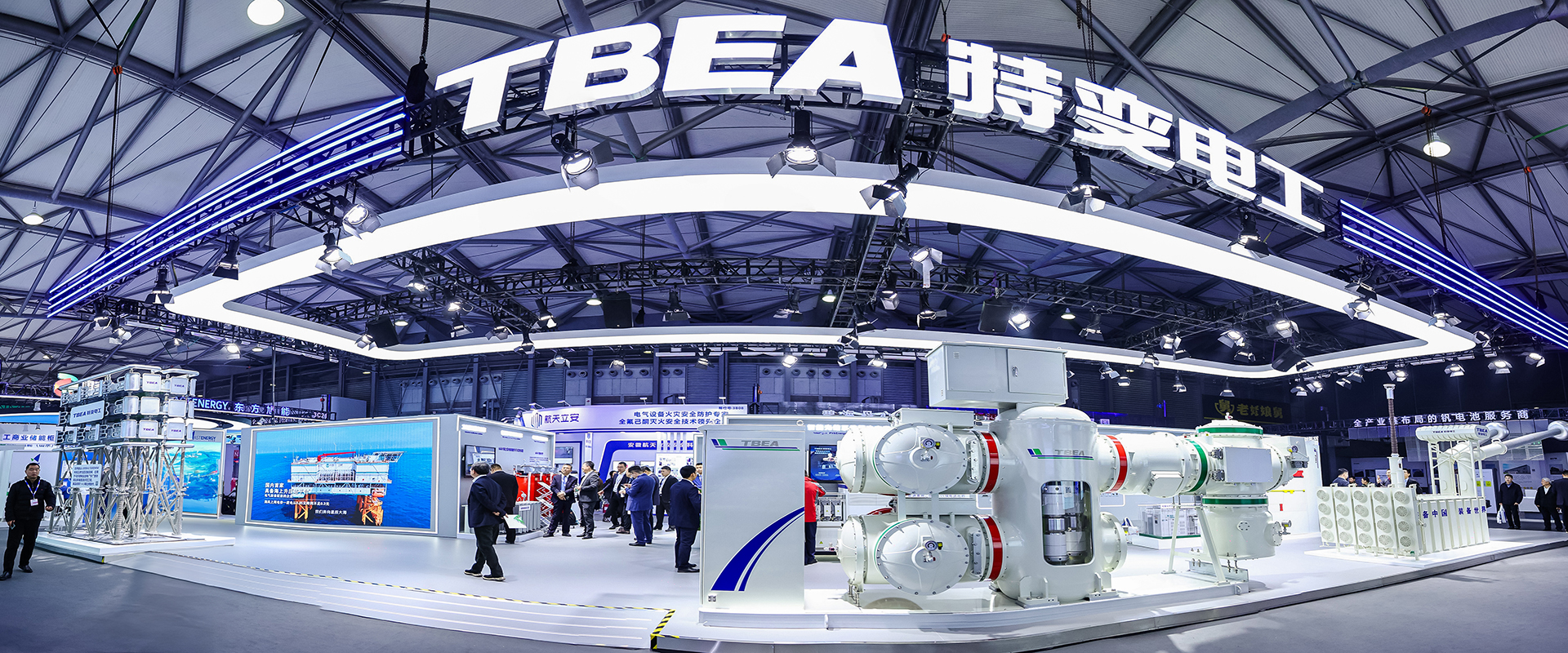
TBEA Co., Ltd.stands as a national high-tech enterprise group and a prominent player in China's energy equipment manufacturing sector. Committed to providing green, clean energy solutions for the global energy industry, the company has successfully built three publicly listed subsidiaries: TBEA Co., Ltd.(stock code 600089), Xinjiang Zhonghe(stock code 600888), and Xinte Energy(stock code HK1799). Through these entities, TBEAhas nurtured three key national strategic circular economy industrial chains, including cutting-edge power transmission and transformation equipment, silicon-based new energy, and aluminum-based new materials—forming a robust foundation for sustainable growth in these emerging sectors.
With a strong international presence, TBEA’soverseas operations focus on high-end power transmission and transformation equipment manufacturing, as well as the development of new energy and materials. Its diverse product portfolio includes specialized transformers, high and ultra-high voltage cables, consumer wiring, polysilicon, photovoltaic systems, and more. The company operates 21 facilities in China and 2 overseas, and its transformer production ranks among the world’s leading manufacturers. Additionally, TBEA’s silicon-based and aluminum-based materials have positioned the company within the top tier of the global supply chain. As a leader in renewable energy, TBEA’s photovoltaic EPC projects are also ranked among the top globally. Recognized for its innovation and operational scale, TBEAis ranked 228th in the global machinery industry and 1st in China’s transformer sector, consistently ranking among the top 100 global contractors in ENR's annual listings.
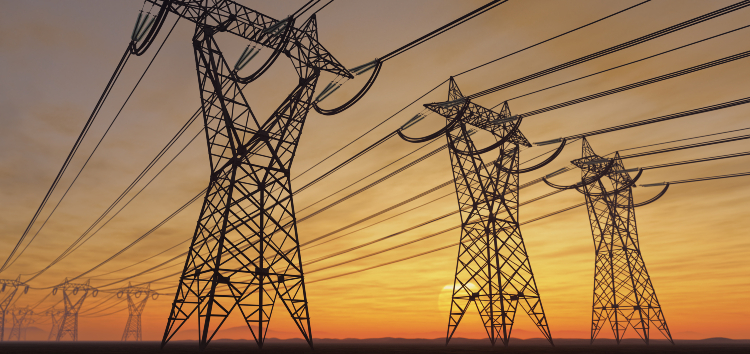
TBEA Co., Ltd.has successfully executed numerous overseas engineering projects, primarily through EPC (Engineering, Procurement, and Construction) contracts. Notable examples include the 500kV Dushanbe Substation EPC Projectin Tajikistan and the 500kV Datka Substation EPC Projectin Kyrgyzstan. These projects are spread across various continents, from Asia and Africa to Europe and the Americas, where they serve not only to provide essential power equipment and technological expertise but also play a pivotal role in stimulating local economic growth and driving social progress. By delivering high-quality infrastructure,TBEAis helping to power communities around the world while supporting sustainable development.
Overseas Projects
Early Projects (1990s - Early 2000s)
Pakistan:TBEA Co., Ltd.'s internationalization began in the 1990s, with one of its earliest overseas projects being the provision of power equipment to Pakistan. Over the years, TBEA has undertaken several transmission and transformation projects in Pakistan, making significant contributions to the country's power infrastructure. The 500kV transmission and transformation line project won by TBEA in 1996 was the largest overseas project awarded to China’s transmission and transformation industry at the time.
Milestone Projects (Mid-2000s - 2010s)
Tajikistan: In 2006, TBEAundertook the 500kV North-South transmission and transformation project in Tajikistan, a major project connecting the country’s northern and southern power grids, which holds significant importance for Tajikistan’s economic development.
India:TBEAhas also undertaken several transmission and transformation projects in India, including the 765kV transmission and transformation line project won in 2007.
Africa:TBEAhas actively expanded into the African market, undertaking several
transmission and transformation projects in countries such as Kenya,
Ethiopia, and Nigeria.
Additionally, TBEAhas also been actively expanding its overseas presence in the
renewable energy sector.
Egypt 186 MW Photovoltaic Power Project
Location: Benban, Aswan Province, Southern Egypt
Impact: This project promotes China-Egypt cooperation in renewable energy. It is the first project constructed by a Chinese company in the Benban Solar Park in Egypt. The park is expected to reach an installed capacity of 1,600 to 2,000 MW by 2019, making it the world’s largest solar photovoltaic park under construction.
Products: Photovoltaic power generation equipment
Pakistan 100 MW Solar Photovoltaic Power Station
Location: Pakistan (Near the China-Pakistan Economic Corridor)
Investment: 215 million USD
Impact: This project alleviates the local power shortage and promotes the development of local industries. It is the first project completed under the framework of the China-Pakistan Economic Corridor, driving the export of Chinese products, capital, and labor.
Products: Photovoltaic power generation equipment
2020s to Present
Vientiane 115kV Power Transmission and Transformation Project
Location: Vientiane, Laos
Impact: This project is a significant part of the implementation of the Belt and Road Initiative.
Nairobi Substation Project
Location: Nairobi, Kenya
Gambia Republic Project
Location: Republic of Gambia
TBEA Co., Ltd., a Chinese giant in the power transmission and transformation sector, may be low-key, but it's a serious contender on the global stage. Their transformers are the epitome of value, offering exceptional quality at highly competitive prices. With the largest production capacity in the world, TBEAis a true leader in the industry. Their product range is incredibly diverse, from standard power transformers to cutting-edge HVDC (High Voltage Direct Current) converter transformers—TBEAhas a solution for every need. Moreover, their expertise extends to specialty transformers like dry-type transformers and reactors, cementing their reputation as the 'one-stop shop' for all things transformers.
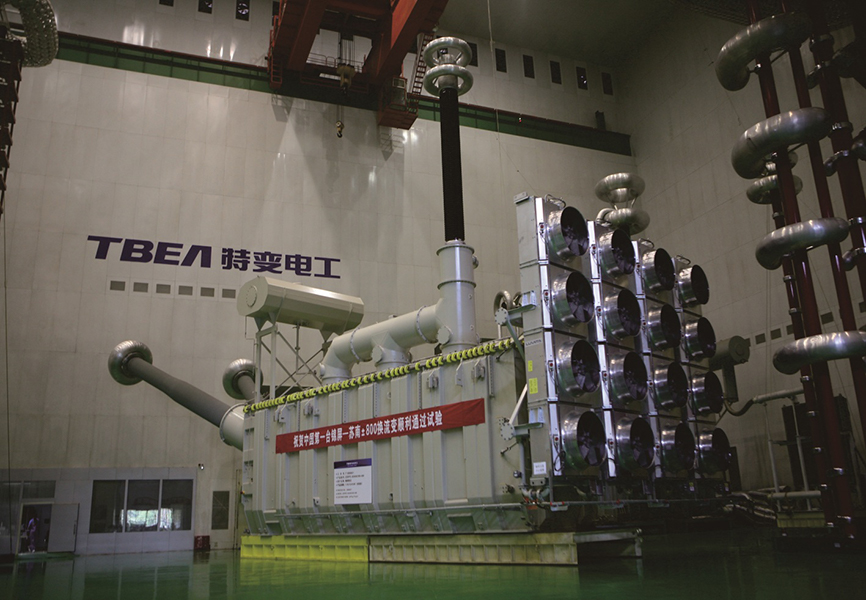
TBEA Co., Ltd., a leader in China's power transmission and transformation equipment sector, offers a diverse range of transformer products, including power transformers, HVDC (High Voltage Direct Current) converter transformers, special transformers, dry-type transformers, reactors, and high-voltage instrument transformers. TBEAhas several distinct advantages in transformer manufacturing:
Scale Advantage: With robust production capabilities, TBEA ranks among the world’s top manufacturers in terms of annual transformer output.
Cost Advantage: Offering competitive pricing, TBEA transformers often provide a more affordable alternative compared to products from other manufacturers.
Localization Advantage: As a dominant player in the Chinese market, TBEA enjoys strong local influence, which gives it a unique edge.
Commitment to Renewable Energy:TBEA plays a pivotal role in the growth of renewable energy by providing specialized transformers for solar, wind power generation, and energy storage systems.
Despite its successes, TBEAfaces a few challenges:
Technological Gap: While TBEA excels in many areas, it still lags behind international leaders in some advanced transformer technologies.
Brand Recognition:TBEA’s international brand awareness remains relatively limited compared to its competitors.
Summary of TBEA's Overseas Projects
Project Name | Project Location | Project Amount | Impact on Local Area | Product Type | Transmission Capacity | Government Notice | Announcement |
India Transformer Factory | Gujarat, India | $100 million | Estimated to provide about 2,000 jobs. Products will be exported to India, Africa, and the Middle East. | Transformers | - | - | - |
India Green Energy Park Project | Hyderabad, India | $300 million | - | Renewable Energy | - | - | - |
Tajikistan Transmission Line Project | Tajikistan | - | - | 220kV and 500kV Transmission Lines | - | - | - |
Sudan National Electricity Company Turnkey Contract | Sudan | - | - | - | - | - | - |
Pakistan Turnkey Project | Pakistan | - | - | - | - | - | - |
Egypt 186 MW Solar Power Project | Benban, Aswan Province, Egypt | - | Promoting Sino-Egyptian cooperation in renewable energy. This project is the first Chinese enterprise project in Egypt's local solar industry. The solar project is planned to reach an installed capacity of 1,600 to 2,000 MW by 2019, making it the largest solar photovoltaic park in the world. | Solar Power Equipment | - | - | - |
Pakistan 100MW Solar Power Plant | Pakistan (near China-Pakistan Economic Corridor) | $215 million | Alleviates local power shortages and promotes industrial development. It is the first completed project under the China-Pakistan Economic Corridor framework, contributing Chinese products, funds, and labor. | Solar Power Equipment | - | - | - |
Vientiane 115kV Transmission Line Project | Vientiane, Laos | - | Implements the 'Belt and Road' initiative. | - | - | - | - |
Nairobi Robpoli Substation | Nairobi, Kenya | - | - | - | - | - | - |
Jordan Public Leasing Project | Jordan Public Leasing | - | - | - | - | - | - |
TBEA Projects in China
TBEA Co., Ltd.has numerous projects across China, covering fields such as power transmission and transformation, renewable energy, and new materials. These projects are distributed across regions such as Xinjiang,Sichuan,Hunan,Tianjin,Shandong,Liaoning,Shaanxi, and Nanjing.TBEAhas established 21 modern industrial parks in these areas, providing strong support for the company’s development.
Power Transmission Projects
As a leading enterprise in China’s transformer industry, TBEAhas over 70 years of experience in transformer manufacturing and more than 60 years in cable production. The company has extensive experience and strong capabilities in the power transmission and transformation field, supplying a large number of power transmission and transformation equipment and services to major clients such as the State Grid. TBEA’s power transmission business includes five major sectors: transformers, cables, high-voltage switches, supporting components, and power EPC (Engineering, Procurement, and Construction) services. Its products are widely used in AC grid construction, power plants, distribution networks, chemical, smelting, and locomotive traction fields.
Renewable Energy Projects
TBEAis aggressively advancing in the renewable energy sector, focusing on technologies such as photovoltaic systems, wind power, power electronics, and energy internet. The company provides end-to-end solutions for clean energy projects, covering everything from development and investment to design, construction, smart equipment, and intelligent operation and maintenance. TBEAhas successfully contributed to several major national technology projects, pioneering key technologies like grid-connected inverters, microgrids, energy storage, static var generators, and flexible DC transmission systems—further cementing its role in the global clean energy revolution.
Sichuan Ganzi County 30 MW Concentrated Photovoltaic Poverty Alleviation Project (Phase 1):TBEA plans to invest 268.83 million yuan in the construction of this project. The project aims to leverage the abundant solar resources in Ganzi, Sichuan, to develop clean energy and support local poverty alleviation efforts.
Hebei Province Weichang County Zhangjiawan Yongri 30 MW Photovoltaic Poverty Alleviation Project:TBEA plans to invest 191.78 million yuan in this project. Similar to the Ganzi project, the goal is to develop clean energy and promote local economic development and poverty alleviation.
Xinjiang Guyang County 100 MW Wind Power Project:TBEA has signed a wind-fire replacement contract and is innovating the operation and maintenance business model for the power station. This project aims to improve wind power utilization efficiency and provide stable power supply to the local area through wind-fire replacement.
Photovoltaic Power System Key Equipment Digital Workshop Based on Autonomous Intelligent Manufacturing:TBEA was approved for the Ministry of Industry and Information Technology’s “2017 Smart Manufacturing Pilot Demonstration Project.” The project aims to promote intelligent production of key photovoltaic power system equipment, improving production efficiency and product quality.
Bayingol Region Ruoqiang County 2×35 MW Combined Heat and Power Project: Located in Ruoqiang County, Bayingol Region, the project has an investment of approximately 3 billion yuan. The project is scheduled to start construction in November 2022, with a construction period of about 18 months. The project has received approval from the autonomous region’s development and reform commission and has completed the environmental impact assessment disclosure. TBEA’s projects in Zhundong and Ruoqiang have been put into operation 9 months ahead of schedule, making it one of the fastest coal-fired power projects in Xinjiang.
New Materials Projects
TBEA Co., Ltd.has made remarkable strides in the new materials sector, with a diverse range of products such as electrode foils, electronic aluminum foils, aluminum alloy profiles, and aluminum-based strip materials. In 2024, TBEA's polysilicon production reached 146,500 tons in the first half of the year, with a production cost of just 48,000 RMB per ton. Polysilicon, a critical raw material for the photovoltaic industry, plays a key role in TBEA’s strategic positioning within the renewable energy supply chain. By expanding its footprint in polysilicon production, TBEAis enhancing its competitiveness and securing a stronger foothold in the rapidly growing clean energy sector.
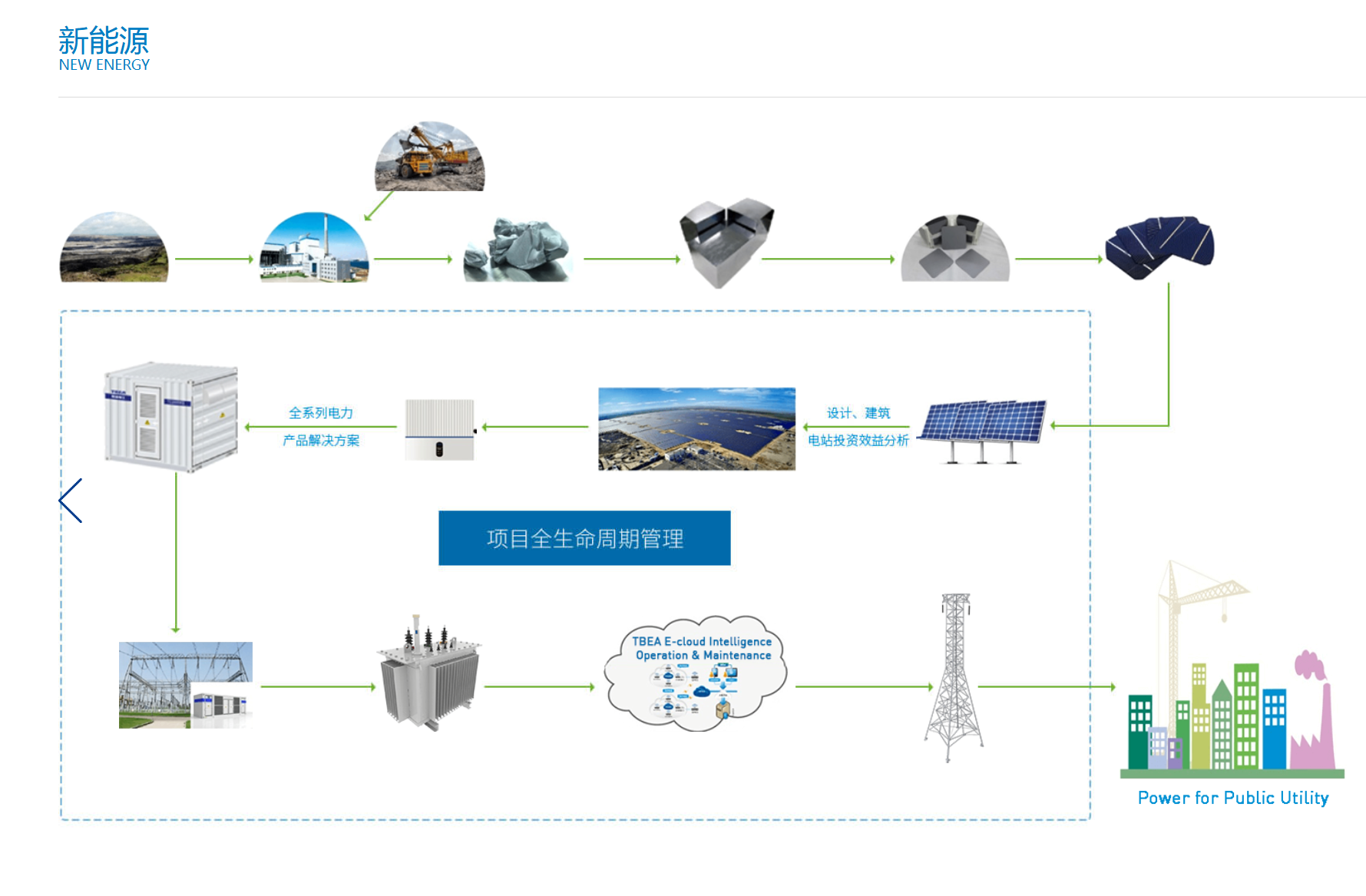
| Region | Project | Project Type | Scale | Investment Amount | Progress | Expected Benefits |
|---|---|---|---|---|---|---|
| Xinjiang | Zhundong Changji Prefecture 2×660MW Thermal Power Unit Project | Thermal Power Project | 2×660MW | 4.979 billion yuan | In operation | Optimize power supply structure in Zhundong area, improve power supply reliability, enhance energy security |
| Xinjiang | Xinjiang Cable Digital Wiring Workshop | Wire and Cable Production | Daily production of 2,800+ km of photovoltaic cables and civilian wiring | - | In production | Improve production efficiency, promote industrial clustering |
| Sichuan | Sichuan Ganzi County 30MW Centralized Photovoltaic Poverty Alleviation Power Station Phase I Project | Photovoltaic Power Generation | 30MW | 268.8301 million yuan | - | - |
| Sichuan | TBEA (Deyang) Cable Co., Ltd. | Wire and Cable Production | Total assets 2.5 billion yuan | - | - | - |
| Hunan | TBEA Hengyang Transformer Co., Ltd. | Transformer Production | - | - | - | - |
| Shaanxi | Xi'an Digital Factory Project | Power Electronics Products Production | - | 1.163 billion yuan | Under construction | Expand capacity, enhance market competitiveness |
| Tianjin | TBEA Tianjin Smart Industrial Park Project Phase I | - | - | - | Under construction | - |
| Shandong | TBEA Shandong Luneng Taishan Cable Co., Ltd. | Wire and Cable Production | - | - | - | - |
| Liaoning | TBEA Green Energy Industrial Park | - | - | - | - | - |
| Nanjing | TBEA Nanjing Smart Electric Co., Ltd. | R&D, production and sales of power secondary equipment and new energy vehicle charging stations | - | - | - | - |
| Nanjing | Nanjing Power Automation Co., Ltd. | Development, manufacturing and sales of power and water conservancy automation systems | - | - | - | - |
Conclusion
The global transformer market is becoming increasingly competitive, with key manufacturers constantly pushing to enhance product quality, lower costs, and innovate with new technologies to secure their market positions. As global demand for electricity continues to rise, coupled with the pressing need for more reliable, efficient, and sustainable power systems, the transformer market is witnessing impressive growth.
The primary trends fueling this market growth include:
Digitalization: The integration of digital technologies, such as sensors and advanced monitoring systems, is becoming more common in transformers. These innovations are driving improvements in efficiency, reliability, and safety across power grids.
Sustainability: There is an escalating demand for eco-friendly transformers, including dry-type transformers and those utilizing biodegradable oils. In response, manufacturers are focusing on developing more sustainable transformer solutions to meet environmental goals.
Competition: As new entrants emerge and existing players expand their production capacities, the competition within the transformer market is intensifying. This surge in competition is driven by the growing need for transformers and the increasing investments pouring into the sector.
Looking ahead, the transformer market is set to continue its growth trajectory. Leading manufacturers will play a pivotal role in the ongoing energy transition, providing critical technologies that facilitate renewable energy integration, modernize grids, and improve overall energy efficiency. These efforts will not only shape the future of the transformer industry but also support the global shift towards cleaner, more efficient energy systems.
Hitachi Energy
Hitachi Energyhas its global headquarters in Zurich, Switzerland, but it was founded by the Japanese company Hitachi Ltd..Hitachi Energyis a subsidiary of Hitachi Ltd.. The company has 40,000 employees in 90 countries/regions.
The history of Hitachi Energydates back to the late 19th century, during the Second Industrial Revolution in Europe. At that time, two electrical engineering companies, ASEAand BBC (Brown Boveri & Cie), were founded, and they achieved success by introducing electricity transmission, railway, and other similar industrial technologies. In 1988, ASEAand BBCmerged to form ABB.
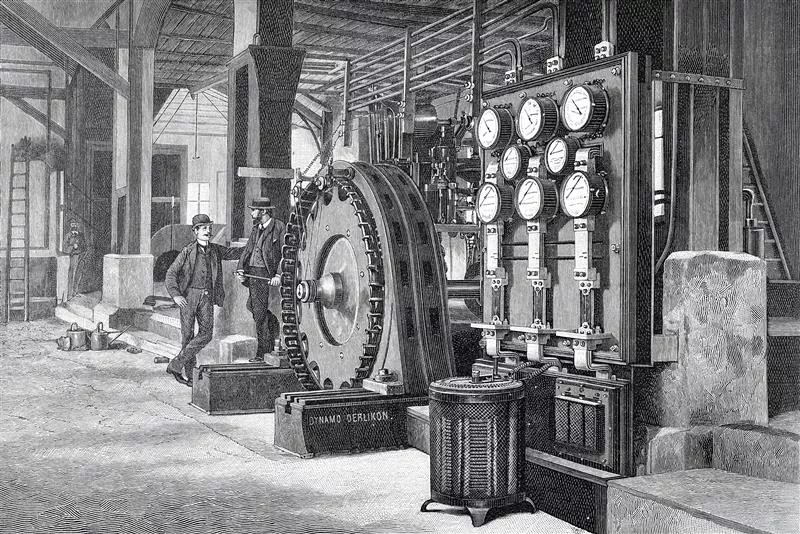
Meanwhile, on the other side of the world, Japanwas experiencing its own industrial revolution, fueled by the transformative policies of the Meiji Restoration. This era of modernization paved the way for visionary innovators likeNamihei Odairato shape the very foundation of Japan's industrial landscape.
In 1910, at just 36 years old, Odairafounded Hitachi Ltd., driven by a singular mission: 'to contribute to society through the development of exceptional original technologies and products.' This vision would lay the groundwork for what would become one of the most influential companies in the world.
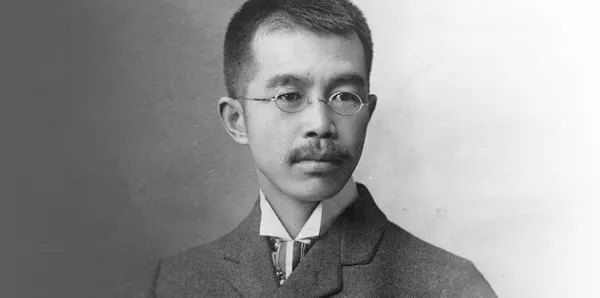
Founder of Hitachi, Namihei Odaira
Over the next few decades, these three companies would solidify their positions as industry leaders in their respective fields. In 2020,Hitachimade a strategic move by acquiring ABB'spower grid division, leading to the formation of Hitachi ABB Power Grids. Just a year later, in 2021, the company underwent a significant rebranding, emerging as Hitachi Energy—a name that better reflects its ambitious vision for the future of global energy solutions.
Hitachi Energyoffers an extensive range of transformer solutions, including oil-immersed transformers, dry-type transformers, and traction transformers, catering to diverse industry needs. The company’s expertise in transformer manufacturing is defined by several key advantages:
Technological Leadership: With over 130 years of innovation, Hitachi Energy has been at the forefront of transformer technology. One of its groundbreaking innovations came in 1974 with the introduction of theRESIBLOC dry-type transformer, featuring a revolutionary resin-impregnated insulation system that eliminates the need for oil as a cooling and insulating medium.
Artificial Intelligence: Harnessing the power of AI,Hitachi Energy developed the Nostradamus AI solution, a tool that accurately forecasts solar and wind energy generation, market prices, and load demand. This cutting-edge technology enables customers to make data-driven, strategic decisions.
Sustainability: Committed to minimizing environmental impact, Hitachi Energy has pioneered eco-friendly transformer solutions. The RESIBLOC dry-type transformer, for instance, uses no oil, reducing the risks of leaks and fires while contributing to a greener planet.
High-Voltage Direct Current (HVDC): With extensive expertise in HVDC technology,Hitachi Energy has successfully integrated more than 150 GW of HVDC links into power grids, boosting the efficiency of energy transmission across vast distances. This experience positions Hitachi Energy as a global leader in efficient and sustainable energy solutions.
Despite its leadership in the energy sector, Hitachi Energyis not without its challenges:
Supply Chain Struggles: As the demand for transformers continues to rise, Hitachi Energy is encountering supply chain issues, making it increasingly difficult to keep up with customer needs and expectations.
Intense Competition: In the highly competitive transformer market,Hitachi Energy faces fierce rivalry from other major manufacturers, particularly in the rapidly growing Chinese market, where competition is especially strong.
General Electric (GE)
Founded in 1892, General Electric (GE)is a global powerhouse headquartered in Boston, USA. The company was formed through the merger of various companies originally owned and operated by the legendary Thomas Edisonand Thomson-Houston Electric Company.
For over a century, GEhas stood as one of the world’s largest and most diverse multinational conglomerates, with its vast portfolio of businesses spanning numerous industries, from energy and healthcare to aviation and finance.

For much of the 20th century, General Electric (GE)was a staple in the Dow Jones Industrial Average, until its removal in 2018. In 2021, GEunveiled a major shift in strategy, announcing plans to split into three independent publicly traded companies, each focusing onaviation,healthcare, and energy—a move that reflects its forward-thinking vision for the future.
ButGEis far from slowing down. The company has been on a roll with several game-changing innovations and investments. In 2012, GEintroduced the Intellix™ BMT 300, a state-of-the-art transformer bushing monitoring system designed to detect potential problems and prevent power outages before they occur. Fast forward to 2021, and GEbuilt a groundbreaking hybrid fuel power plant in Ohio, capable of running on both natural gas and hydrogen—enough to power 400,000 homes. Not stopping there, GEjoined forces with Boeingand NASAto develop a hybrid aircraft engine, bringing the dream of clean energy for aviation closer to reality.
In 2022, the company took its ambitions even further by collaborating with the U.S. Department of Energyto research 100% hydrogen-burning gas turbines, a crucial step toward sustainable energy for the future of transportation. By 2023, GEmade a bold move with a $450 million investment into U.S. manufacturing, upgrading equipment and facilities. The company also made waves in the renewable energy space, contributing to the construction of the first commercial-scale offshore wind farm in the U.S., located near Martha’s Vineyard, Massachusetts.
It’s clear that General Electricisn’t just aiming to reshape the energy landscape on Earth—they’re eyeing the skies as well. With such ambitious projects, GEis poised to continue pushing the boundaries of innovation and sustainability for decades to come.
General Electric (GE)offers an extensive range of transformer solutions for power generation, transmission, and distribution, including generator transformers,power transformers,distribution transformers, and environmentally friendly green transformers. Here's how GEstands out in the transformer industry:
Comprehensive Product Portfolio: From small-scale distribution transformers to massive power transformers, GE provides a variety of products that meet the diverse needs of its global customer base.
Technological Leadership:GE consistently invests in research and development to enhance the efficiency and reliability of its transformers. A key innovation is the Intellix™ BMT 300, a cutting-edge bushing monitoring system that can detect potential transformer issues early, helping to prevent costly outages and failures.
DOE 2016 Efficiency Transformers: Designed with the latest core, coil, and enclosure technologies,GE's DOE 2016 Efficiency Three-Phase (EX) transformers exceed the U.S. Department of Energy's efficiency standards, making them a top choice for energy-conscious projects.
However,General Electricis not without its challenges:
Declining Market Share: In recent years, GE has seen its share of the transformer market shrink, as it faces growing competition from other major players in the industry.
Financial Pressures: Struggling with financial challenges, GE has found it increasingly difficult to maintain its investment pace in the transformer sector, raising concerns about its future in this critical area of the energy industry.
HD Hyundai Electric
HD Hyundai Electric(formerly known as Hyundai Heavy Industries Electric Systems) is one of South Korea's foremost manufacturers of heavy electrical equipment, established in 1977. Headquartered in Seongnam,Gyeonggi-do, the company operates out of a prime location at 477 Bundang Sujeong-ro, Bundang-gu.
With a robust global presence, HD Hyundai Electricserves over 3,600 customers worldwide, offering cutting-edge solutions across power, industrial, shipbuilding, and energy sectors. Its commitment to innovation and quality has solidified its position as a leader in the heavy electrical equipment industry.
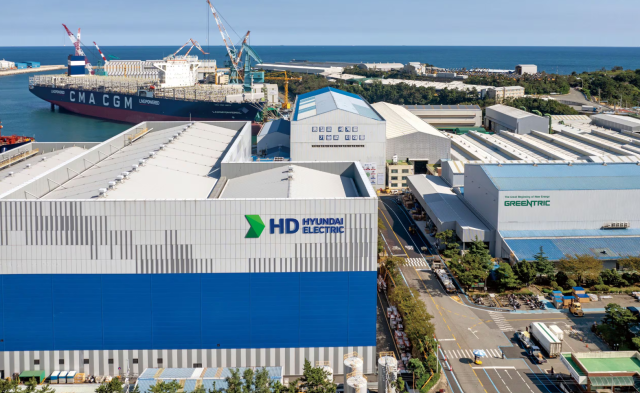
HD Hyundai Electrichas been making frequent moves in the South Korean market as well! In 2023, they participated in the development of the country’s largest carbon capture and storage (CCS)project, signaling their entry into the environmental sector. They were also selected to provide EPC servicesfor the Gray Whale floating offshore wind farm project, one of the largest floating wind farms in the world—impressive! In 2024, Hyundai Electricmade breakthroughs in the hydrogen energyfield, successfully developing marine liquid hydrogen tanksand vacuum insulation technology, setting the stage to lead the hydrogen transportation trend! They also partnered with Korea Electric Power Corporation (KEPCO)to develop a 500 kW hydrogen fuel generator, signaling a strong push into the hydrogen power generation market. It seems that Hyundai Electricis not only aiming to dominate the power and electric vehicle sectors but also making significant strides in the environmental and hydrogen energy fields—truly impressive!
HD Hyundai Electricstands as one of South Korea’s leading manufacturers of heavy electrical equipment, offering a comprehensive range of transformers, including oil-immersed distribution transformers,cast resin transformers,box transformers, and pole-mounted transformers.
Here’s how HD Hyundai Electricexcels in the transformer manufacturing space:
Exceptional Quality: Known for their durability and reliability, HD Hyundai Electric transformers are exported to over 70 countries, establishing a strong global presence.
Technological Prowess: With decades of expertise in transformer technology, HD Hyundai Electric is committed to ongoing innovation. Notably, the company became the first South Korean transformer manufacturer to earn Q-level certification for nuclear power plants—setting a high standard for industry excellence.
Electric Vehicles & Wireless Charging: In 2024, HD Hyundai Electric and its subsidiaries secured a number of patents related to electric vehicles and wireless charging, showing their forward-thinking approach to the evolving automotive and energy markets.
However,HD Hyundai Electricis not without its challenges:
Intense Competition: In the highly competitive transformer market, particularly in North America,HD Hyundai Electric faces stiff competition from other leading manufacturers, making market share growth a continuous challenge.
Brand Awareness: Despite its technical achievements, the company still struggles withrelatively low international brand recognition, which could limit its expansion in global markets.
With its strong technical foundation and continued innovation, HD Hyundai Electricis well-positioned to address these challenges while maintaining its leadership in the electrical equipment industry.
Schneider Electric
With nearly two centuries of history, Schneider Electric, the French leader in energy managementand automation, has truly earned its place as an industrial powerhouse. The company’s journey began in 1836, when the Schneider brothersacquired a foundry in Le Creusot, France, setting the stage for what would become an industrial legacy. From steel and heavy machinery to weapons manufacturing, Schneiderfaced countless challenges on its way to becoming a key player in the energy market.
Today,Schneider Electricis at the forefront of digital energy managementand automation solutions, with its global headquarters in the charming town of Rueil-Malmaison, France. One of the company’s standout innovations is itsEcoStruxure platform, a powerful system that uses IoT technologyto seamlessly integrate energy management and automation. This solution helps businesses across industries achieve theirsustainability goals, demonstrating Schneider Electric’scommitment to a greener, more connected world.
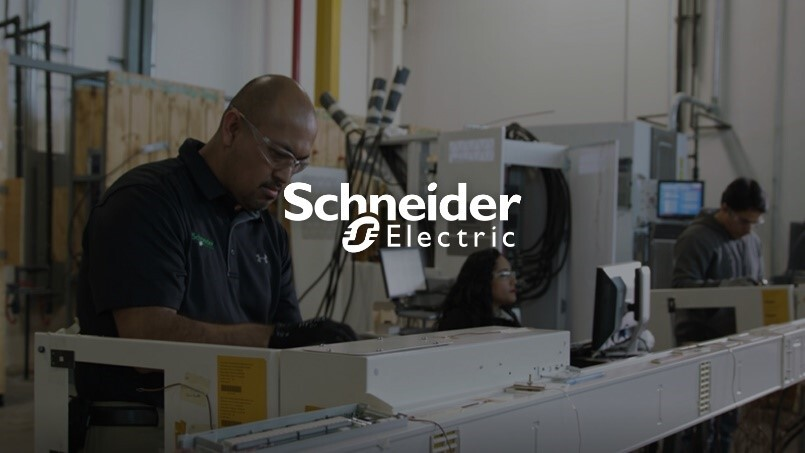
Schneider Electriccontinues to set the bar high in technology innovation. The company has teamed up with industry titans like Microsoftand Autodeskto create cutting-edge software solutions that drive digital transformationfor businesses across industries. They also offer a comprehensive suite of industrial automation services, from modernization upgrades to cybersecurityand performance optimization, ensuring no aspect of their clients’ needs goes unaddressed.
As a global leader in energy managementand automation,Schneider Electricoffers an extensive range of transformers, including low-voltage,medium-voltage,instrument, and industrial control transformers. Their edge in transformer manufacturing includes:
A Comprehensive Product Portfolio: From compact distribution transformers to large-scale power transformers,Schneider Electric provides a diverse range of products tailored to meet the unique needs of its customers.
Cutting-edge Technology:Schneider Electric remains at the forefront of transformer innovation, constantly investing in research and development to boost efficiency and reliability. A prime example is their DOE 2016 Efficiency Three-Phase (EX) Transformer, which incorporates the latest core,coil, and enclosure technology to maximize energy efficiency.
Commitment to Sustainability: As part of its green agenda, Schneider Electric offers dry-type transformers—a more environmentally friendly option as they eliminate the need for oil, thus reducing the risks of leaks and environmental hazards.
Despite these remarkable strengths, Schneider Electricfaces a couple of challenges:
Customer Service: The company has encountered issues related to slow response times and inefficient communication in customer service.
Cybersecurity: In recent years, Schneider Electric has faced cybersecurity breaches, which could potentially undermine customer confidence in their products.
Nonetheless, with a focus on innovation,sustainability, and digital transformation,Schneider Electricis well-positioned to continue leading in the energy and automation sectors, even as it works to address these challenges.
Siemens Energy
Siemens Energy, a German powerhouse in the energy sector, has been at the forefront of energy technologyfor decades. With roots tracing back to the 19th century, when Werner von Siemensfounded the company and launched the electrification revolution,Siemens Energyhas grown into a global leader in the field, covering everything frompower generationto transmission,distribution, and the rapidly expanding renewable energysector.
Headquartered in Munich, Germany,Siemens Energyemploys over 90,000 people worldwide, providing cutting-edge solutions to customers in more than 90 countries. A key player in the industry, their gas turbinesare celebrated for their high efficiencyand low emissions, making a profound impact on global electricity generation. ButSiemens Energyis not resting on its laurels; the company is driving the energy transitionforward by heavily investing in renewable energytechnologies, including wind,solar, and hydrogen.
When it comes to innovation, Siemens Energycontinues to lead the charge. The company has developed a suite ofdigital solutions, such as digital substationsand smart grids, designed to optimize grid reliability and performance. Furthermore, their offshore wind turbinesare a game-changer, tapping into the power of coastal winds to deliver clean energy to nearby regions, reaffirming their commitment to a sustainable future.
AsSiemens Energyleads the way in transforming global energy landscapes, it’s clear that their blend of innovation, technology, and sustainability is setting new benchmarks for the entire industry.
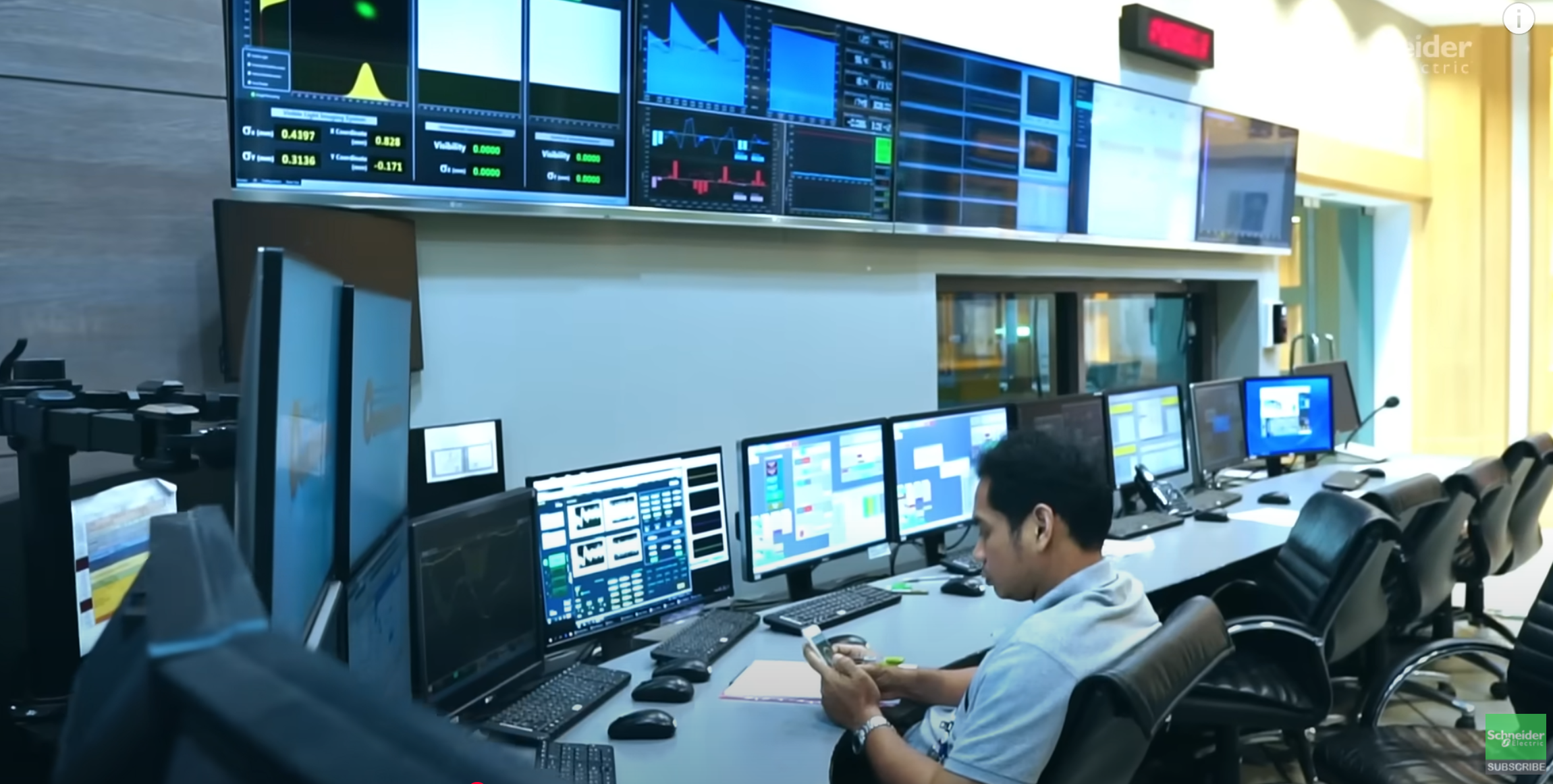
Siemens Energystands as a global leader in energy technology, offering a comprehensive portfolio of transformers, including large power transformers,medium power transformers,oil-immersed distribution transformers,dry-type transformers,compact substations, and specialty transformers.
Here’s how Siemens Energyexcels in transformer manufacturing:
Technological Leadership: As a pioneer in transformer technology, Siemens Energy continually pushes the boundaries of innovation. A prime example is their GEAFOL resin-impregnated transformer, which combines safety,reliability, and environmental friendliness—a key offering for modern power grids.
Global Service Network: With an expansive service network that spans the globe, Siemens Energy ensures that customers receive comprehensive support wherever they operate.
Customized Solutions:Siemens Energy offers tailored transformer solutions, designed to meet the unique needs of each client. To address the growing demand in the U.S.,Siemens Energy is expanding its transformer manufacturing and service capabilities in the region to help alleviate the shortage of large power transformers, while also creating valuable job opportunities.
However,Siemens Energydoes face some challenges:
Intense Competition: The company is up against fierce competition from other major players in the transformer market, which could affect market share and pricing strategies.
Higher Costs:Siemens Energy’s transformers tend to be priced higher than some of its competitors, which could be a barrier for cost-sensitive customers.
Mitsubishi Electric
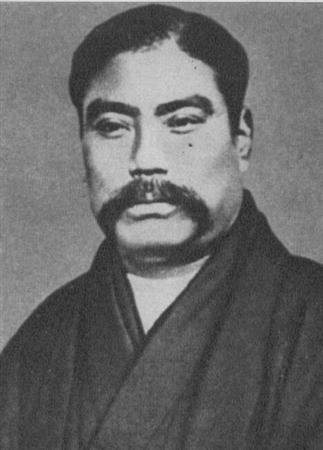
Mitsubishi Electric, a titan in the world of electrical equipment, was founded back in 1921. The company’s origins are tied to Yataro Iwasaki, a visionary entrepreneur who first established the originalMitsubishi company—not as an electrical enterprise, but as a shipping company. It’s a fascinating twist in the history of Mitsubishi Electric, proving that even the most iconic tech giants have unexpected roots.
Mitsubishi Electric, the Japanese electrical giant, has been deeply involved in the transformer industry for many years! Their transformers are incredibly safe and reliable, with extremely high efficiency. They’ve been producing transformers since 1910, so they have a wealth of experience. Their shell-type transformersare widely recognized as top-of-the-line, with high voltage, large capacity, and stable transmission and distribution.
They also produce a wide variety of transformers, including oil-immersed transformers,gas-insulated transformers, and even transformers specifically designed for railway systems—they really can do it all!
Mitsubishi Electricis also highly advanced in transformer technology! Their shell-type transformersuse advanced 3D computer analysis technology, which helps avoid local overheating issues—this design is truly ingenious! They’ve also developed gas-insulated transformers, which use SF6 gasas the cooling and insulating medium, offering fire and pollution protection. These transformers are a true model of safety and environmental friendliness!
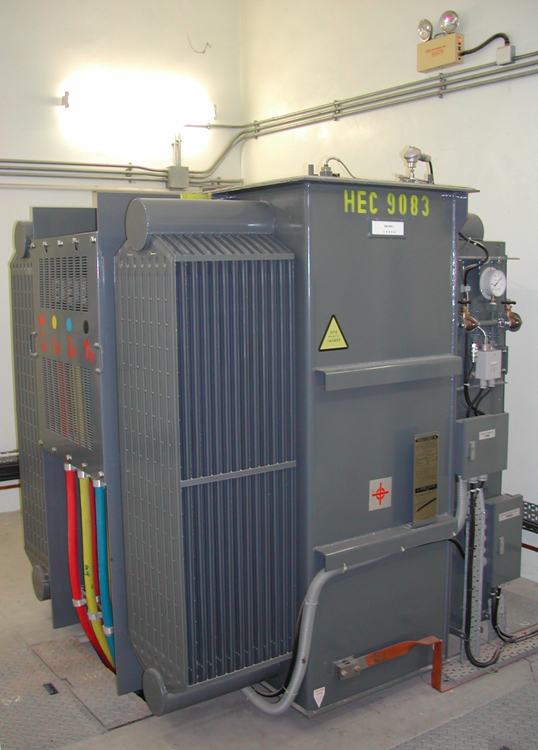
Mitsubishi Electric, one of Japan’s foremost manufacturers of electrical and electronic equipment, has built a comprehensive portfolio of transformers, including generator step-up transformers,auto-transformers, and gas-insulated transformers. The company’s strengths in transformer manufacturing include:
Exceptional Quality: Renowned for their reliability and performance,Mitsubishi Electric transformers have earned a reputation for top-tier quality.
Innovative Technology: With a wealth of experience and technical expertise, Mitsubishi Electric continues to push the envelope in transformer technology. A prime example of their ingenuity is the development of the world’s largest nuclear power station three-phase transformer (1,510MVA).
Global Reach: Operating in multiple countries, Mitsubishi Electric provides localized support, ensuring its global customers have tailored solutions.
That said, Mitsubishi Electricfaces a few significant hurdles:
Quality Assurance Issues: The company has been under scrutiny for quality assurance lapses, including an admission of falsifying testing procedures for transformers over several decades. Such issues could undermine customer confidence.
Smaller Market Share: Despite its technological prowess, Mitsubishi Electric holds a relatively small share of the global transformer market, facing stiff competition.
Higher Costs: The company’s transformers typically carry a higher price tag compared to other manufacturers, which may impact their competitiveness, particularly in cost-sensitive markets.
Toshiba
Toshiba, a name that is familiar to most, has products that have permeated various aspects of our daily lives, from home appliances to electronic components. But how much do you know about Toshiba's contributions in the energy sector? This article will take you on a deep dive into Toshiba Energy, exploring how this century-old company uses its technological strength to contribute to the global energy transition.
The history of Toshiba Groupdates back to 1875, when it was originally founded by Hisashige Tanakaas Tanaka Seisakushoand Shibaura Seisakushofounded by Fujio Fukui. In 1939, the two companies merged to form Tokyo Shibaura Electric Co., Ltd., or simply 'Toshiba.' Toshiba was initially known for its home appliances and electronic products. In the 1970s, revenue from home appliances accounted for about 30% of Toshiba's total income. After more than a century of development, Toshiba has become a diversified multinational corporation, with businesses spanningelectronics,energy, and infrastructure.

WhileToshiba Energy Systems & Solutionsofficially became an independent entity on October 1, 2017, following its split from Toshiba Corporationand merger with Toshiba Nuclear Systems & Solutions, this doesn’t mark the company’s debut in the energy sector. Long before this separation, Toshibahad already established itself as a key player in the energy industry, amassing decades of experience and technological know-how. The creation of Toshiba Energy Systems & Solutionssignals the company’s strategic shift, aimed at significantly expanding its role in the global energy transition.
As Japan’s leading energy technology company, Toshiba Energy Systems & Solutionsboasts a diverse transformer product portfolio, which includes oil-immersed power transformers,corrugated tank distribution transformers,CSP (Completely Self-Protected) transformers, and dry-type cast resin transformers. These innovations are a testament to Toshiba’s commitment to engineering high-quality solutions, offering remarkable advantages in terms of safety,efficiency, and reliabilityin transformer manufacturing.
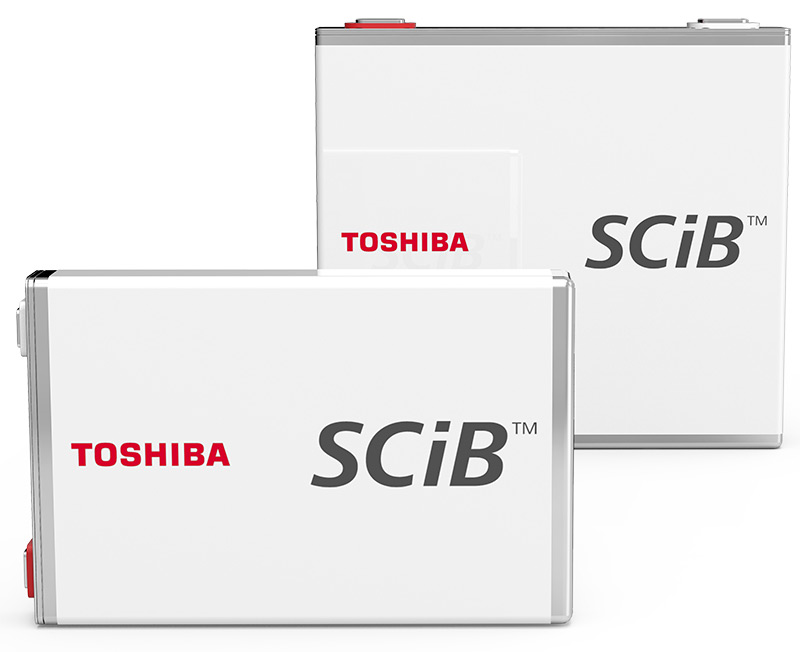
Toshiba Energy Key Products and Services
Toshiba Energy offers a wide range of products and services covering energy production, transmission and distribution, as well as energy management.
Products:
Thermal Power Generation: Toshiba is a global leader in thermal power generation equipment, providing efficient and reliable turbines, generators, and other equipment.
Renewable Energy: Toshiba is actively developing renewable energy technologies, offering wind turbines, hydroelectric generators, geothermal power equipment, etc. To address the intermittency of renewable energy sources like wind and solar, Toshiba is developing energy storage solutions and smart grid technologies to improve the stability and reliability of renewable energy.
Hydrogen Energy: Toshiba is dedicated to the research and application of hydrogen energy technologies, developing pure hydrogen fuel cell systems and actively exploring green hydrogen production technologies.
Methanol Fuel Cells: Toshiba has also developed a methanol fuel cell (DMFC) called Dynario. Dynario generates power by simply feeding methanol into the device, which can charge an internal lithium-ion battery or output power via a USB interface.
Nuclear Energy: Toshiba is a pioneer in nuclear power technology, with extensive experience in nuclear power plant design, construction, and operation. They provide advanced reactor technologies and are committed to improving the safety and efficiency of nuclear power.
Transmission and Distribution Equipment: Toshiba provides advanced transmission and distribution equipment, including transformers and switchgear, ensuring the safe and stable operation of power systems. They also offer grid stabilization solutions and smart grid technologies to improve the reliability and efficiency of power grids.
Energy Management Systems: Toshiba has developed intelligent energy management systems that help users optimize energy usage and improve energy efficiency.
Services:
Power Plant Construction and Operation: Toshiba provides services for the construction, operation, and maintenance of power plants, including engineering design, equipment installation, commissioning, and repairs.
Energy Consulting: Toshiba offers energy consulting services to help clients develop energy strategies, optimize energy structures, and enhance energy efficiency.
Technical Support: Toshiba provides comprehensive technical support, including equipment maintenance, troubleshooting, and technical training.
Toshiba Energy: Strengthening its Global Footprint in Renewable and Hydrogen Energy
Toshiba Energy, a global leader in the energy sector, continues to expand its impact worldwide through cutting-edge products and services. Over the past few years, Toshibahas focused heavily on renewable energyand hydrogen energy, securing significant achievements in these emerging sectors across the globe.
Geothermal Power: Toshiba has secured a key equipment order for the Patuha Geothermal Power Plant in Indonesia, reinforcing its foothold in the geothermal power generation industry. This strategic move highlights Toshiba's commitment to diversifying its energy solutions with clean, sustainable alternatives.
Hydrogen Energy: In a major leap for the hydrogen energy sector, Toshiba has partnered with Nimbus to develop the next-generation hydrogen fuel cell stack. This collaboration represents a pivotal step forward in advancing the future of clean energy. In addition, Toshiba is working alongsideIwatani in Kushiro City,Hokkaido, to demonstrate the use of hydropower for hydrogen production. The hydrogen generated is being applied in a variety of real-world scenarios, including fuel cell vehicles,dairy farms, and even indoor swimming pools.
Virtual Power Plant (VPP): Toshiba's collaboration with Industrial Technology Research Institute (ITRI) is driving the development of virtual power plant technology to optimize energy management systems in Taiwan. The merger with Next Kraftwerke, a leader in decentralized energy networks, has further cemented Toshiba's role in the global virtual power plant market. The integration of more distributed energy sources will increase grid flexibility and provide more efficient energy distribution.
However, despite significant strides in these areas, Toshiba Energystill holds a modest 3.2% share of the global power semiconductor market. To enhance its market standing, Toshibais actively seeking collaborations with industry leaders. A notable example is its joint production agreement with ROHMfor power devices. Toshiba aims to grow its share of the global power semiconductor market into double digits by 2030, positioning itself for greater competitiveness in this crucial industry.
Toshiba
Corporation's Delisting and Financial Recovery: Key Challenges in the
Energy Sector
OnDecember
20, 2023,Toshiba
Corporationofficially delisted from the Tokyo
Stock Exchange,
marking a significant shift for the company. Prior to its delisting,Toshibareleased its fiscal
year 2024performance report for the first half of the year. The results showed
a remarkable recovery, with substantial growth in net
sales,
and both operating
incomeand net
incometurning from losses to profits. Operating income soared to ¥70.5
billion,
a 3.2-fold increase compared to the same period last year. This
performance represents the best half-year results for Toshiba since
fiscal year 2018. The strong rebound is largely attributed to the
stellar performance of its hard
disk drives (HDD)and power
systemsdivisions.
WhileToshiba Energyhas made strides in sustainable energyinitiatives, the company continues to face several challenges in the competitive energy landscape:
Intense Market Competition: The global energy sector is highly competitive, and Toshiba must continually enhance its technological prowess and service offerings to maintain its competitive edge.
Rapid Technological Advancement: As energy technologies evolve at a rapid pace, Toshiba’s ability to stay ahead in the innovation curve depends on its continuous investment in R&D to preserve its position as a technology leader.
Shifting Policy Environment: Changes in national energy policies and regulations could have significant implications for Toshiba’s growth and expansion in the energy market.
ABB
ABB, a global technology leader headquartered in Switzerland, is committed to driving societal and industrial transformation for a more efficient and sustainable future. The company was founded in 1988 through the merger of Sweden’s ASEA and Switzerland’s BBC Brown Boveri. ABB aims to create a more sustainable and resource-efficient future through its leading technologies in electrification and automation.
Ranked among the Fortune Global 500, ABB is listed on the stock exchanges of Zurich, Stockholm, and New York. With a history spanning over 110 years in China, ABB employs 15,000 people across more than 130 cities, operating three major production facilities, and has invested over 20 billion RMB in total.
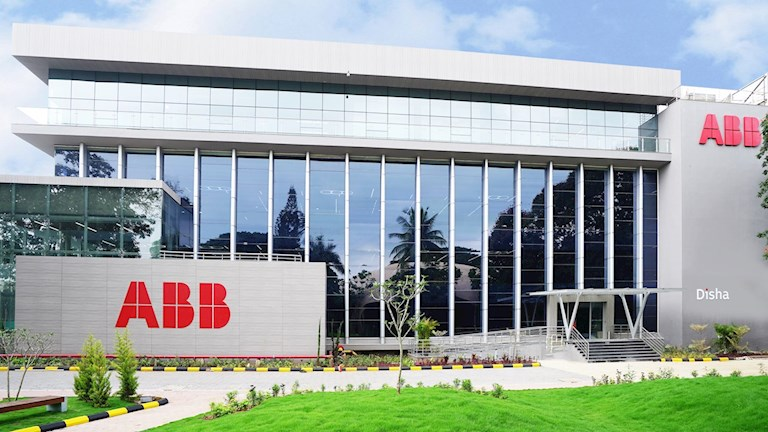
Development History of ABB
The growth of ABBcan be divided into three distinct phases:
1988–1998: Focused on the power and electrical sector. During this period, ABB rapidly expanded its market share by investing in power generation and distribution facilities through mergers, acquisitions, and joint ventures in the United States, Eastern Europe, and China.
1998–2008: Shifted focus to robotics and automation. ABB strengthened its position in industrial automation and robotics by acquiring companies such as Elsag Bailey Process Automation, becoming a global leader in industrial robotics.
2008 to Present: Dedicated to the global digital industrial market. ABB introduced its Industrial IT strategy, investing in IT and industrial internet services. The company also launched the ABB Ability™ platform to enhance efficiency, productivity, and safety for its clients.
Throughout its development, ABB carried out several critical mergers and restructurings:
1999: Acquired several financial services companies in the U.S. and partnered with ALSTOM to consolidate its leadership in the energy generation sector.
1999: Sold its nuclear business to BNFL to focus on core operations.
2010: Acquired Baldor, a leading supplier of industrial motors in North America, bolstering its expertise in motors and drive systems.
Core Business Areas of ABB
ABB’s Key Business Areas: Powering the Future of Industries
ABBstands at the crossroads of innovation and industrial transformation, with a diverse portfolio spanning power technologies, automation, and solutions for the oil, gas, and petrochemical sectors.
Electrification
ABB
delivers a comprehensive suite of solutions that cover the entire
energy lifecycle—from power generation to consumption. This
includes industry-leading products such as transformers, switchgear,
motors, drives, and cutting-edge charging infrastructure for
electric vehicles and other applications.
Motion
The
company powers industries with advanced motion technologies,
offering a range of motors, generators, drives, and control systems.
These solutions enable efficient operation in various settings,
including pumps, fans, conveyors, and robotics-driven environments.
Process
Automation
ABB
leads in process automation by providing tailored solutions for
industries like oil and gas, chemicals, pharmaceuticals, and food
and beverage. By optimizing production processes, these technologies
enhance operational efficiency, ensure safety compliance, and reduce
waste.
Robotics
and Discrete Automation
ABB
redefines manufacturing with its advanced robotics solutions. From
industrial robots and collaborative robots to complete automation
systems, ABB empowers manufacturers to improve precision and
productivity in tasks like welding, painting, assembly, and material
handling.
ABB’s Transformer Expertise: Balancing Strengths and Challenges
With a legacy of innovation, ABBcontinues to excel in the power and automation sectors, particularly in transformer manufacturing. Its extensive product portfolio includes power transformers, distribution transformers, specialty transformers, and instrument transformers, serving diverse industrial needs.
Key Strengths
Global
Manufacturing Platform
ABB’s
worldwide network of transformer production facilities enables it to
deliver tailored solutions to meet unique customer requirements. By
adopting a “focused factory” approach, ABB enhances
operational efficiency and competitiveness. Each factory specializes
in specific transformer types, streamlining production processes and
optimizing performance.
Rigorous
Quality Standards
Quality
is at the heart of ABB’s operations. The company ensures that
all critical components undergo strict quality control and mandates
a unified quality management system across all its facilities.
Unmatched
Reliability
ABB
transformers set a high bar for reliability, with short-circuit
reliability exceeding market averages by more than twofold. This
robustness makes them a trusted choice for critical applications.
Challenges
Despite its technical and operational strengths, ABB faces:
Market Share Constraints: The transformer market is highly competitive, with ABB holding a relatively smaller share.
Price Sensitivity: ABB transformers often come at a premium, positioning them as a higher-cost option compared to competitors.
Author:
Guangzhou Aputon Electrical Co.,Ltd.









CONTACT
Office-ADD: Second floor, Jiutan Village, Xiuquan Street, Huadu District, Guangzhou, Guangdong, China
Factory-ADD: Fenjiangbei Road No.91, Chancheng, Foshan, Guangdong, China
(formerly State-owned Foshan Transformer Factory)
Phone: +86-15876591363
00 1 (323) 841-2808
E-mail: Tony@aputon-transformer.com
Lily@aputon-transformer.com





 WhatsApp
 E-mail