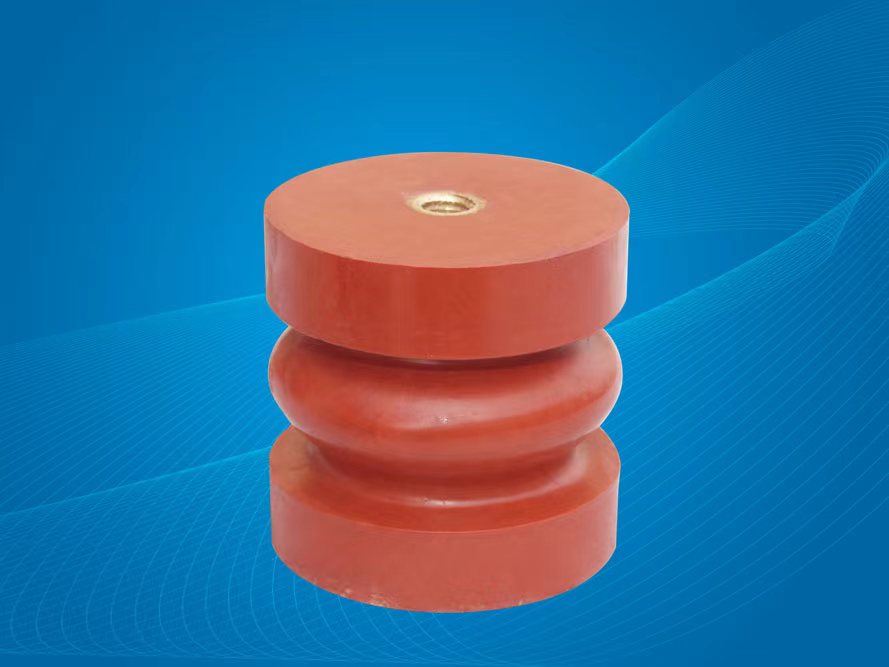
In the electrical industry, the performance and safety of electrical systems are paramount. The Insulator is a critical component that plays a pivotal role in maintaining the integrity and efficiency of electrical installations. Designed with advanced materials and precision engineering, insulators provide essential electrical insulation and mechanical support, making them indispensable in a wide range of applications.

Key Features and Benefits
- Superior Electrical Insulation: Insulators are engineered to offer exceptional dielectric properties, effectively preventing electrical arcing and short circuits. This ensures the safe and stable operation of electrical systems, even under high voltage conditions.
- Robust Mechanical Strength: Constructed from durable materials, insulators can withstand significant mechanical stresses, vibrations, and environmental factors. Their robust design ensures long-term reliability and performance in demanding environments.
- Corrosion Resistance: Insulators are highly resistant to corrosion, chemicals, and moisture, extending their lifespan and reducing maintenance requirements. This makes them a cost-effective solution for long-term use.
- Thermal Stability: Insulators maintain their properties over a wide temperature range, ensuring consistent performance in both hot and cold conditions. This thermal stability is crucial for applications where temperature fluctuations are common.
- Customizable Solutions: Available in various sizes, shapes, and configurations, insulators can be customized to fit specific project requirements. Whether you need a standard or custom design, these components can be adapted to meet your unique needs.
Applications
The versatility and reliability of insulators make them suitable for a wide range of electrical applications:
- High-Voltage Transmission Lines: Provide essential insulation and support for overhead power lines, ensuring stable and safe electricity transmission.
- Substations: Used in substation structures to insulate and support electrical components, maintaining the integrity of the power distribution network.
- Switchgear and Circuit Breakers: Enhance the safety and efficiency of electrical switchgear systems by preventing electrical arcing and short circuits.
- Transformers: Provide insulation for transformer windings, ensuring the safe and efficient transfer of electrical energy.
- Generators and Motors: Used in generator and motor assemblies to prevent electrical shorts and ensure smooth operation.
- Electrical Panels and Equipment: Support and insulate electrical components in panels and equipment, enhancing the overall safety and efficiency of electrical systems.
Materials and Construction
Insulators are typically made from high-performance materials such as:
- Porcelain: Known for its excellent electrical insulation properties and mechanical strength.
- Polymer Composites: Offer a balance of electrical insulation, mechanical strength, and thermal stability.
- Glass: Provides superior dielectric strength and resistance to environmental factors.
- Epoxy Resin: Known for its high electrical insulation properties and durability.
The manufacturing process involves precise molding and curing techniques to ensure consistent quality and performance. Each insulator is rigorously tested to meet strict industry standards and specifications.
Conclusion
The Insulator is a critical component in the electrical industry, providing reliable electrical insulation and mechanical support. Its superior dielectric properties, robust construction, and resistance to environmental factors make it an indispensable part of various electrical systems. Whether you are designing a new electrical installation or upgrading an existing one, the insulator is a dependable and efficient choice that will enhance the safety and performance of your electrical systems.
By choosing high-quality insulators, you invest in a product that combines advanced technology with practical benefits, ensuring long-lasting performance and peace of mind.
 Tel: +86-15876591363
  Email: Tony@aputon-transformer.com







 WhatsApp
 E-mail