 Tel: +86-15876591363
  Email: Tony@aputon-transformer.com

- English
- 简体中文
- عربي
- БеларускаяName
- Русский язык
- Français
- ខ្មែរKCharselect unicode block name
- ກະຣຸນາ
- Ruwanda
- Malay
- বাংলা
- ဗာရမ်
- Zulu, eNingizimu Afrika
- Português
- 日本語
- ภาษาไทย
- Español
- IndonesiaName
- Tiếng Việt
- 繁体中文
Solar Carports: Shading Cars, Powering the Future
2025-01-08 09:51:28
Click:
Parking lots: vast expanses of asphalt baking under the sun. They're a necessary evil in our car-centric world, but what if they could be more than just a place to store our vehicles? What if they could become sources of clean energy, contributing to a sustainable future? Enter the solar carport, a technology that not only provides shade for vehicles but also produces clean energy.
The global photovoltaic canopy market, which includes solar carports, was valued at a staggering $93.99 billion in 2023 and is projected to reach $250.02 billion by 2030, growing at a CAGR of 15%. This impressive growth reflects the increasing demand for sustainable energy solutions and the recognition of solar carports as a viable and efficient option. But what exactly are solar carports, and how do they work?
Under the Hood: How Solar Carports Work
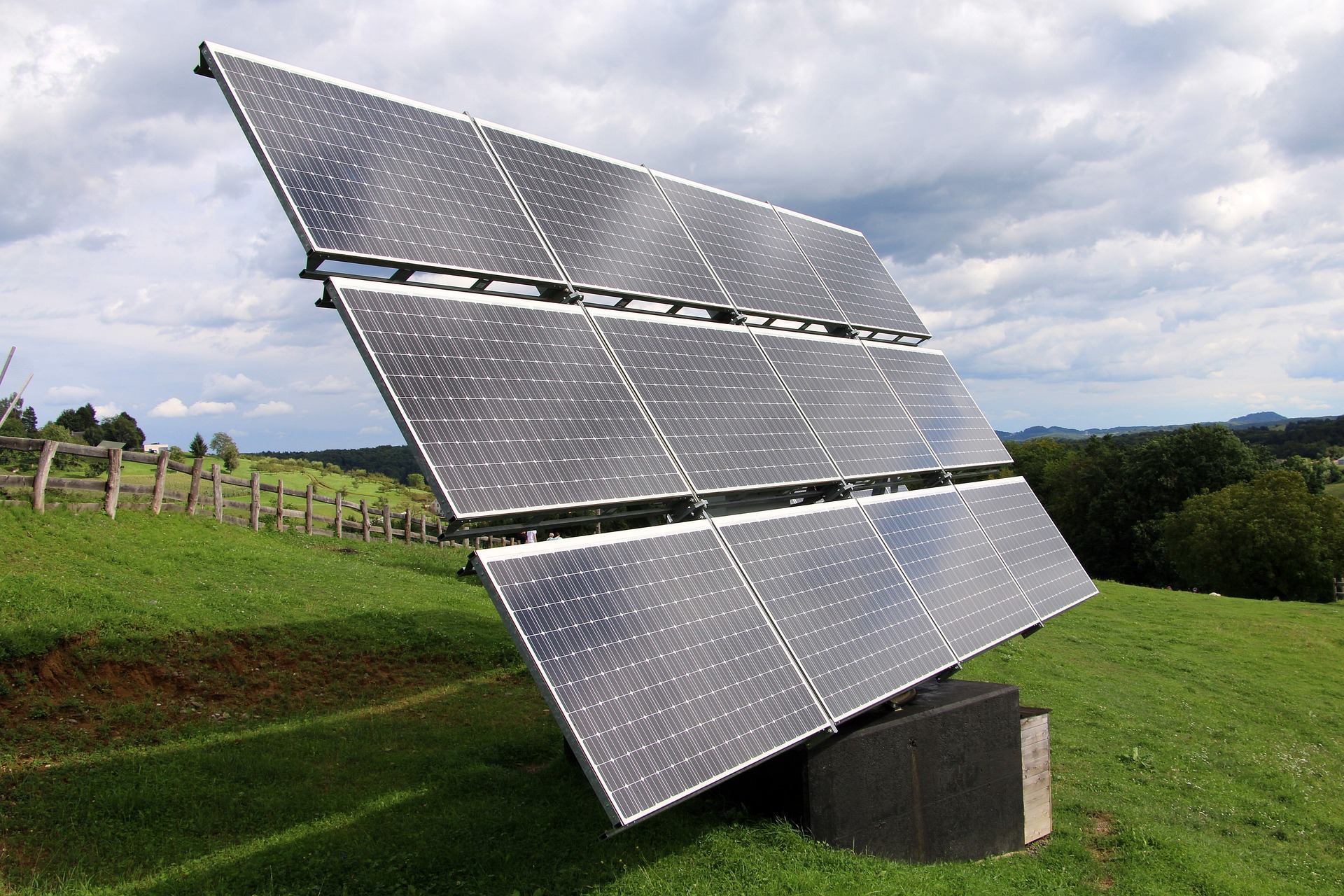
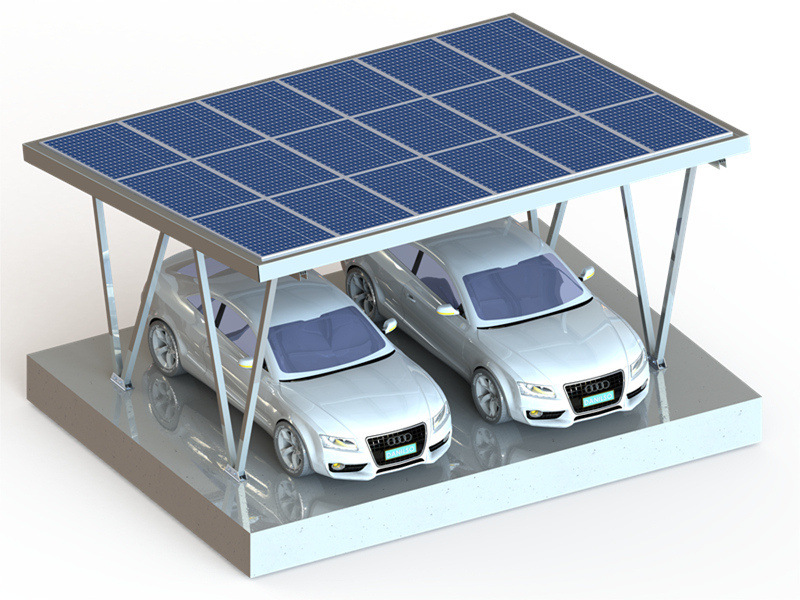
Imagine a traditional carport, but with a high-tech twist. Solar carports consist of a robust metal framework, typically made of steel or aluminum, engineered to support rows of solar panels. This framework is designed to withstand various loads, including the weight of the panels themselves, wind, and even snow. The solar panels are the heart of the system, capturing sunlight and converting it into electricity through the photovoltaic effect.
But how does this 'photovoltaic effect' actually work? Essentially, when sunlight strikes the solar panels, it excites electrons within the semiconductor material of the panels. This creates a flow of electrons, which is what we know as electricity. This clean electricity can then be used to power homes, businesses, or even charge electric vehicles.
Solar carports come in various forms, catering to different needs and spaces. Some are designed to cover a single row of vehicles, while others span two rows. They can be freestanding structures, attached to existing buildings, or even configured as double-decker systems to maximize space utilization. Some advanced designs even incorporate adjustable tilt angles, allowing the solar panels to follow the sun throughout the day and maximize energy capture.
If you're considering a DIY solar carport project, here's a simplified overview of the construction process:
- Casting the Concrete Footings: This crucial first step involvescreating stable foundations for the timber posts that will support thecarport structure.
- Erecting the Timber Frame: This involves setting the timberposts into the concrete footings and constructing the frame using beamsand rafters.
- Installing the Solar Panels: Once the frame is complete, thesolar panels are mounted securely onto the roof of the carport.
- Connecting the Electrical System: This involves wiring the solarpanels to an inverter and connecting the system to your home's electricalpanel.
Types of Solar Carports: A Spectrum of Designs
Solar carports are not a one-size-fits-all solution. They come in a variety of designs, each with its own advantages and applications:
- Ground-mounted Solar Carports: These are the most common type,installed directly on the ground.
- Freestanding Solar Carports: These stand-alone structures offerflexibility in placement and can be installed in various locations.
- Attached Solar Carports: These are attached to an existing structure,such as a building or wall.
- Double-deck Solar Carports: These maximize space utilization byincorporating two levels of parking.
- Canopy Solar Carports: These feature a canopy structure that providesadditional shade and weather protection.
The choice of carport design depends on factors such as the available space, the desired energy output, and the aesthetic preferences of the property owner.
Why Go Solar with Your Carport?
Solar carports offer a compelling array of benefits, making them an attractive option for both homeowners and businesses:
- Energy Savings: By generating clean electricity on-site, solarcarports can significantly reduce or even eliminate your reliance on thegrid, leading to lower electricity bills and potential long-term costsavings.
- Environmental Friendliness: Solar energy is a clean, renewableresource, and solar carports help reduce our dependence on fossil fuels,contributing to a smaller carbon footprint and a healthier planet.
- Space Efficiency: Parking lots often represent underutilizedspace. Solar carports transform these areas into productive assets,generating power without consuming additional land.
- Peak Power Reduction: Solar carports can help reduce peak powerusage, especially during hot summer days when air conditioning demand ishigh. This can contribute to a more stable and reliable electricity grid.
- Vehicle Protection: Solar carports provide shade and shelter forvehicles, protecting them from the elements. This can help extend thelifespan of your car and reduce maintenance costs.
- EV Charging Integration: Solar carports can be integrated with EVcharging stations, allowing you to charge your EV with clean, renewableenergy. However, it's important to note that this integration may requireadditional equipment and planning to ensure compatibility and proper gridconnection.
- Increased Property Value: Installing a solar carport canenhance the value of your property, making it more attractive to potentialbuyers.
Solar Carports in Action: Real-World Applications
Solar carports are versatile structures finding applications in various settings:
- Residential Homes: Homeowners with driveways or carports caninstall solar carports to generate electricity for their homes andpotentially charge their EVs. For example, a homeowner could install asingle-carport system in their driveway to offset their household energyconsumption.
- Commercial Parking Lots: Businesses are increasingly adopting solarcarports to power their operations, reduce energy costs, and demonstratetheir commitment to sustainability. For instance, a retail store couldinstall a large solar carport system in its parking lot to power itslighting and air conditioning.
- Public Parking Facilities: Cities and municipalities areinstalling solar carports in public parking lots to generate clean energy,provide shade for vehicles, and enhance the aesthetics of urban spaces. Acity could install solar carports in a downtown parking garage to powernearby streetlights and public buildings.
- Educational Institutions: Schools and universities areutilizing solar carports to power their campuses, reduce their carbonfootprint, and educate students about renewable energy. A university couldinstall solar carports in its student parking lots to power its classroomsand dormitories.
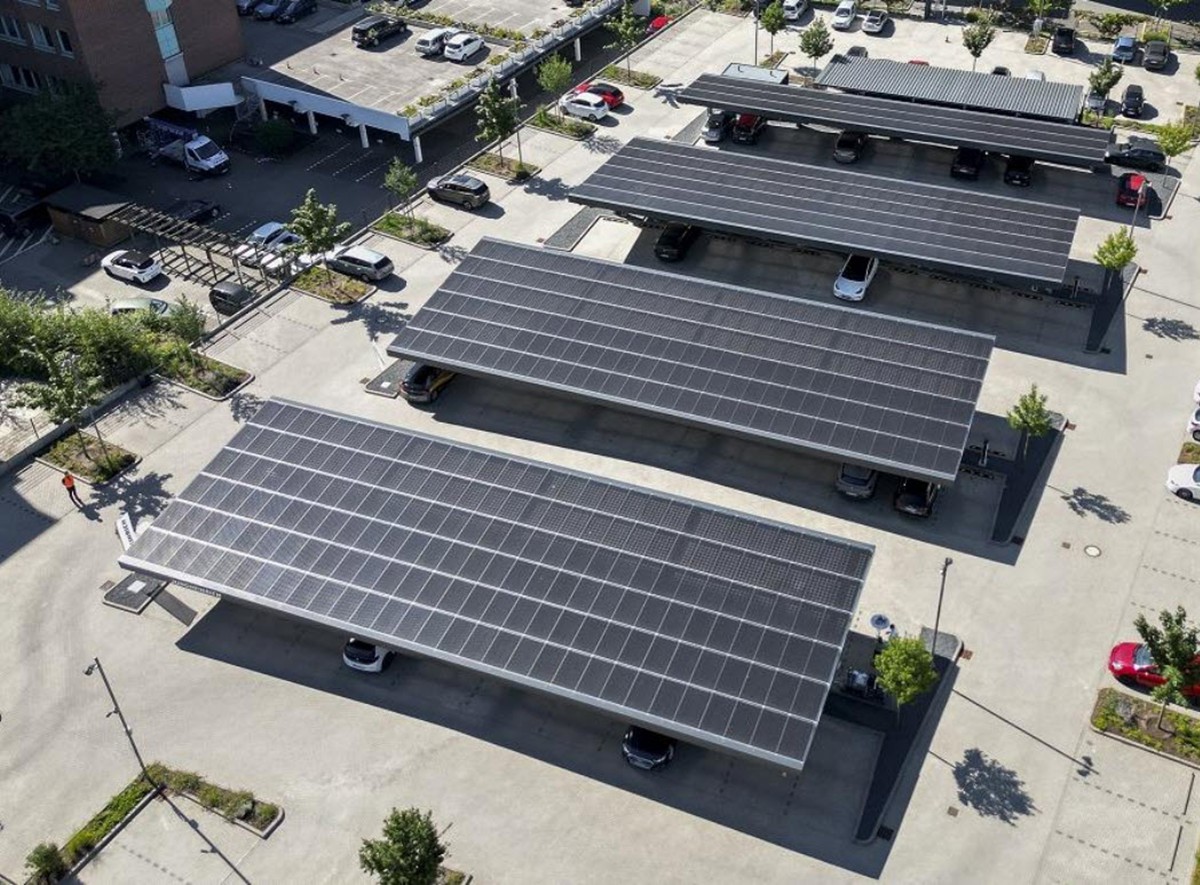
Here are a couple of specific examples of solar carport installations:
- Hampton Inn & Suites Bakersfield North-Airport: This hotel in California installeda solar carport system to reduce its electricity costs and provide shadefor guests' cars. The project was successful in mitigating energy expensesand received support from Hilton Worldwide's sustainability department.
- Teichert Solar Carport at Gateway Seminary: This project involved theinstallation of solar carports with EV charging capabilities. The projectrequired careful planning and subsurface utility engineering to ensure theproper placement of concrete foundations for the carport structures.
These examples demonstrate the versatility and effectiveness of solar carports in various real-world applications.
The Price of Sunshine: Cost and ROI of Solar Carports
The cost of installing a solar carport can vary depending on factors like the size of the structure, the type of solar panels used, and the location. State incentives can also play a significant role in influencing the overall cost.
System Type | Average Cost | Potential ROI |
Residential | $15,000 - $50,000 | 5-20 years |
Commercial | $67,275 for a 50kW system | Varies depending on system size and energy usage |
While the upfront cost may seem substantial, it's crucial to consider the long-term return on investment (ROI). Solar carports can significantly reduce energy costs, and in some cases, you may even be able to sell excess electricity back to the grid. The ROI for a solar carport typically ranges from 5 to 20 years, but some property owners have reported an ROI of as little as 3 to 5 years.
Shading the Future: Trends and Developments in Solar Carport Technology
The solar carport industry is constantly evolving, with new technologies and trends emerging:
- Bifacial Solar Panels: These panels capture sunlight on both sides,increasing energy production and improving overall efficiency.
- Transparent Solar Panels: These panels allow some light topass through, making them suitable for applications where shade is desiredbut complete blockage of sunlight is not. This technology opens up newpossibilities for integrating solar carports into various architecturaldesigns.
- Smart Solar Canopies: These canopies incorporate sensors and IoTcapabilities to optimize energy efficiency and monitor performance. Thisallows for real-time adjustments and proactive maintenance, ensuringmaximum energy generation.
- Integration with Battery Storage: Solar carports are increasinglybeing integrated with battery storage systems, allowing for greater energyindependence and resilience. This enables homeowners and businesses tostore excess solar energy generated during the day and use it during peakdemand periods or at night.
Solar Carports and Electric Vehicles: A Sustainable Synergy
The rise of electric vehicles (EVs) presents a unique opportunity for solar carports to contribute to a more sustainable transportation sector. By integrating EV charging stations with solar carports, EV owners can charge their vehicles with clean, renewable energy, further reducing their carbon footprint. This synergy between solar carports and EVs not only promotes clean transportation but also reduces reliance on fossil fuels for both electricity generation and vehicle propulsion.
Environmental Impact: A Greener Shade of Parking
Solar carports offer significant environmental benefits compared to traditional ground-mounted solar farms. While solar farms often require clearing large areas of land, potentially disrupting ecosystems, solar carports are typically installed in existing parking lots, minimizing land-use impact. This makes them a more environmentally friendly option, especially in areas where land is scarce or where preserving natural habitats is a priority.
Furthermore, solar carports contribute to decentralized energy production, which can enhance grid stability and resilience. By generating electricity close to where it is consumed, solar carports reduce transmission losses and the need for extensive grid infrastructure. This decentralized approach can also help mitigate the risk of large-scale power outages.
Conclusion: Parking Our Way to a Brighter Future
Solar carports represent a compelling solution for our energy needs, offering a unique blend of practicality and sustainability. They transform underutilized parking spaces into clean energy generators, reduce our reliance on fossil fuels, and contribute to a healthier planet. With ongoing technological advancements and increasing adoption, solar carports are poised to play a significant role in shaping a brighter, more sustainable future.
However, the future of solar carports also presents challenges. As the technology continues to evolve, ensuring cost-effectiveness and widespread accessibility will be crucial. Addressing potential issues related to grid integration, permitting processes, and standardization will be essential for unlocking the full potential of solar carports.
Despite these challenges, the future of solar carports looks bright. As the world transitions towards renewable energy and sustainable transportation, solar carports offer a promising pathway to a cleaner, more resilient energy future. By harnessing the power of the sun, we can not only shade our cars but also power our homes, businesses, and communities, paving the way for a greener tomorrow.
Author:
Guangzhou Aputon Electrical Co.,Ltd.









CONTACT
Office-ADD: Second floor, Jiutan Village, Xiuquan Street, Huadu District, Guangzhou, Guangdong, China
Factory-ADD: Fenjiangbei Road No.91, Chancheng, Foshan, Guangdong, China
(formerly State-owned Foshan Transformer Factory)
Phone: +86-15876591363
00 1 (323) 841-2808
E-mail: Tony@aputon-transformer.com
Lily@aputon-transformer.com





 WhatsApp
 E-mail