 Tel: +86-15876591363
  Email: Tony@aputon-transformer.com

- English
- 简体中文
- عربي
- БеларускаяName
- Русский язык
- Français
- ខ្មែរKCharselect unicode block name
- ກະຣຸນາ
- Ruwanda
- Malay
- বাংলা
- ဗာရမ်
- Zulu, eNingizimu Afrika
- Português
- 日本語
- ภาษาไทย
- Español
- IndonesiaName
- Tiếng Việt
- 繁体中文
China plans to allocate 20,620,000 kilowatts for new energy projects by 2025!
2025-02-11 13:32:25
Click:
Dear friends, the recent developments in the electrical sector have been nothing short of relentless, each news item unfolding like a thrilling narrative. Today, let us delve into these new developments and explore the intriguing aspects behind them.
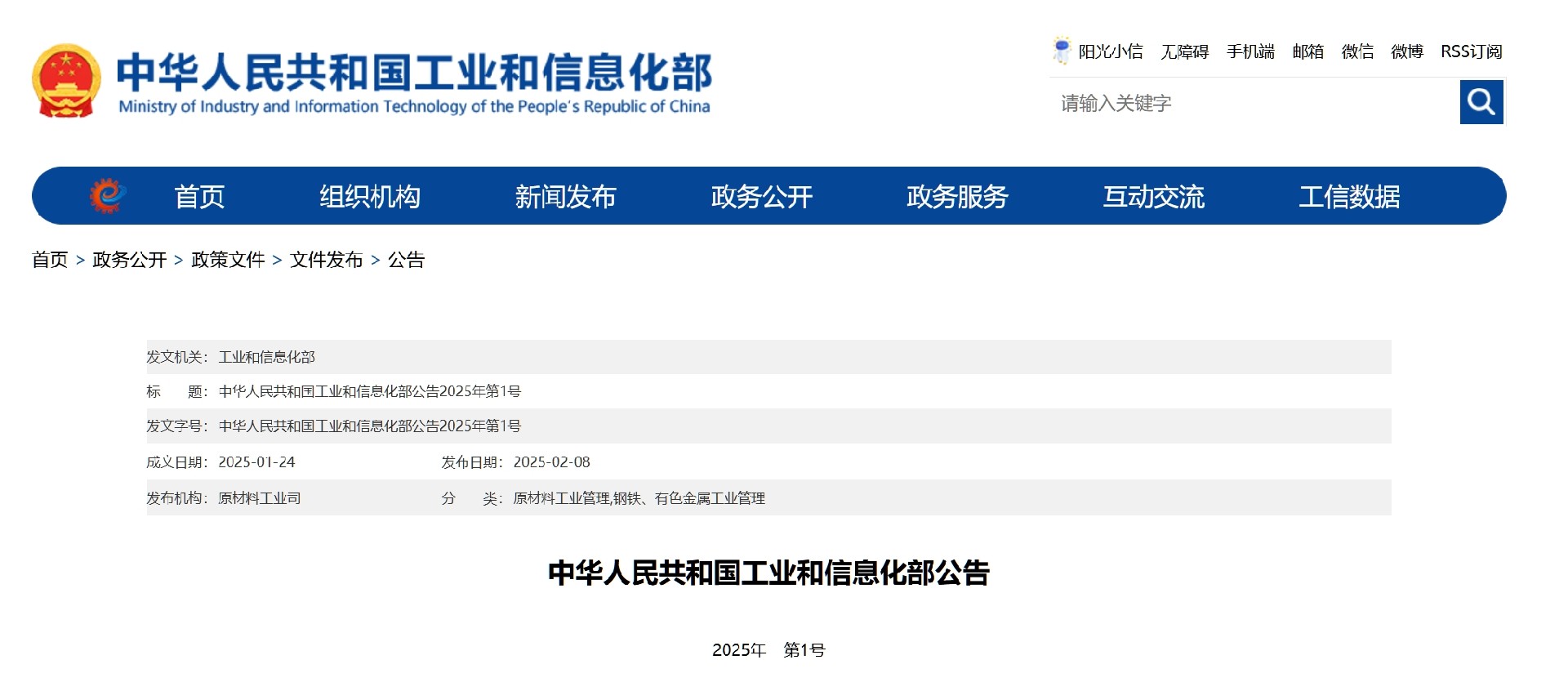
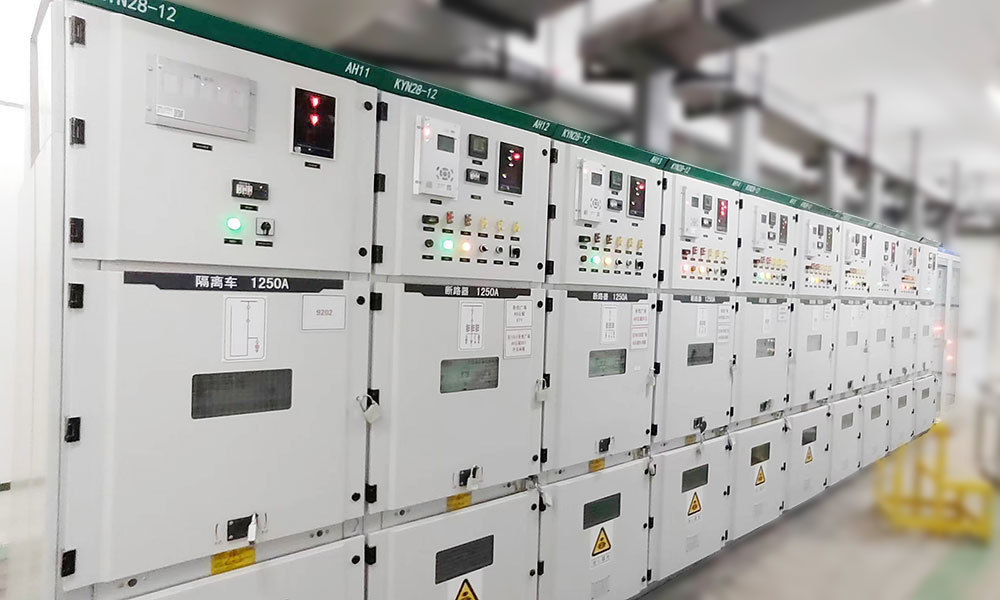
China's MIIT Promotes Green Microgrids in the Steel Industry
The latest revision of the 'Steel Industry Standard Conditions (2025 Edition)' by China's Ministry of Industry and Information Technology (MIIT) sets a significant goal: to actively advance green and low-carbon development through the construction and application of industrial green microgrids. This shift indicates that the steel industry will not only focus on production efficiency but also prioritize environmental protection and energy utilization efficiency. The construction of green microgrids will not only enhance energy efficiency but also significantly reduce carbon emissions, fostering sustainable development.
 |  |
China Leads in International Standardization, Filling a Void in Low-Voltage Equipment
Recently, the international standard 'Additional Requirements for Intelligent Integrated Equipment' (IEC TS 63290), led by China, has been officially released. This standard fills the gap in intelligent integrated equipment for low-voltage systems in the International Electrotechnical Commission (IEC), marking a significant step for China in international electrical standard-setting. This advancement not only signifies China's technological leadership but also enhances its influence in international standards, which is crucial for boosting the competitiveness of Chinese electrical products in global markets.
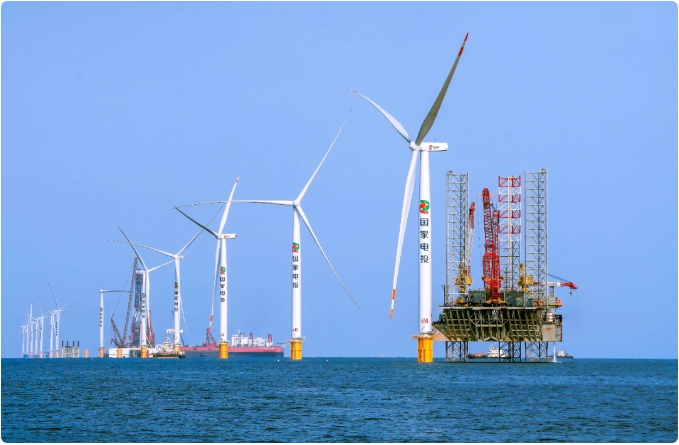
China National Energy Group Registers First New CCER Project
The China National Energy Group's Guohua Investment Jiangsu Branch successfully registered the Dongtai Phase IV 302.4 MW offshore wind power project, marking the group's first registration of a new CCER (Certified Emission Reduction) project. This not only showcases the group's continuous efforts in green energy but also provides valuable lessons for other enterprises. By adopting such practices, companies can achieve economic benefits while contributing to national carbon reduction goals.
 |  |
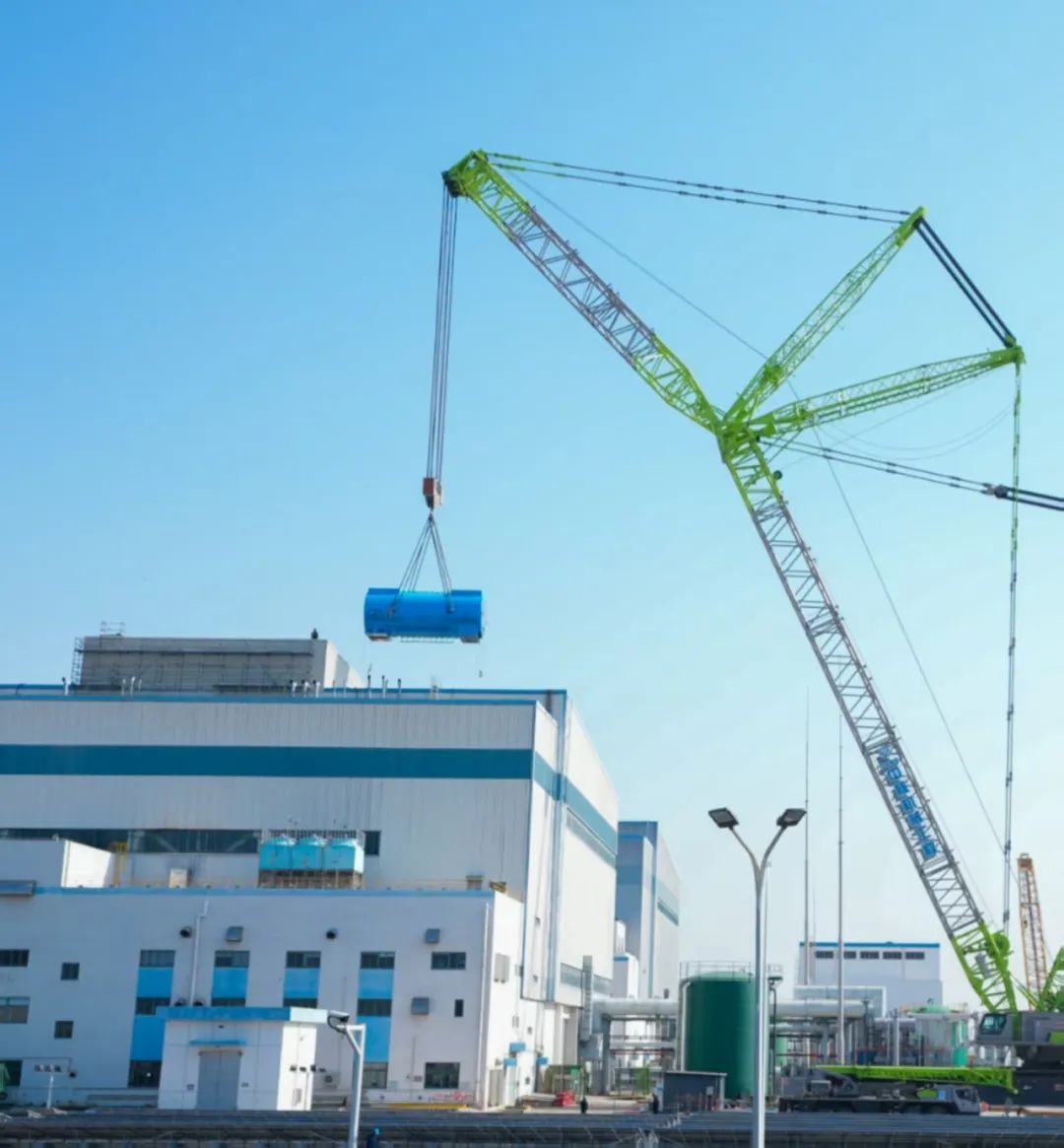
Qinshan Nuclear Power Completes the First Stator Replacement in China
China National Nuclear Corporation's Qinshan Nuclear Power, during the major overhaul of Qinshan Second Plant Unit 2, successfully replaced the stator of Unit 2's generator using a top-lifting method in the building for the first time. This feat demonstrates China's prowess in equipment maintenance and technological innovation in the nuclear power sector, offering valuable insights for other nuclear power plants. With technological advancements, we can anticipate more efficient and secure maintenance in Chinese nuclear power plants.
Potential Restructuring of Two Major Central Enterprises: Dongfeng and Changan
Dongfeng Motor Group and Changan Company are planning a restructuring, which could lead to significant changes in the Chinese automotive industry. Both central enterprises have been increasing their investments in the new energy vehicle (NEV) sector, with a total investment of nearly 36 billion yuan in 2023, accounting for over 60% of their investments. The future Chinese automotive market is poised to become greener, smarter, and more efficient.
 |  |
Jiangsu Launches World's First Gigawatt-Scale Perovskite Solar Cell Production Line
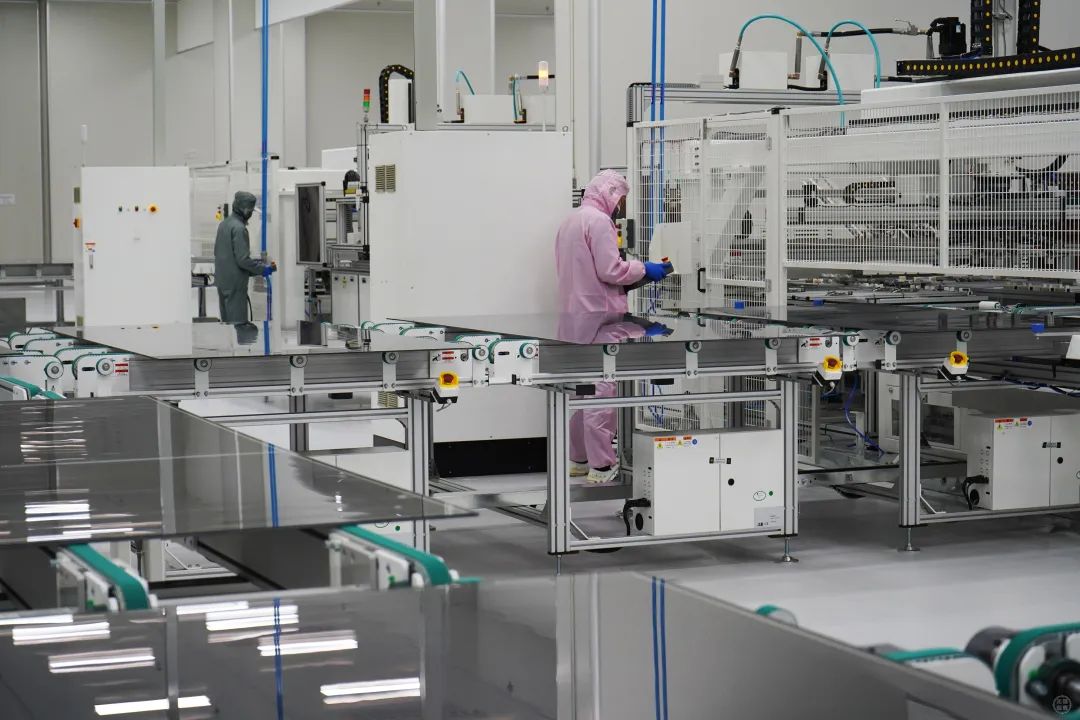
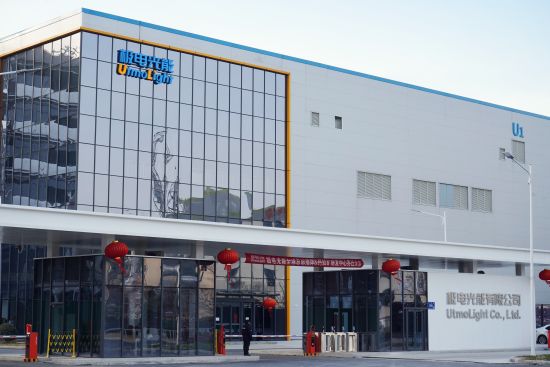
The Jiadian Optoelectronics in Jiangsu Xishan Economic and Technological Development Zone has established the world's first gigawatt-scale perovskite solar cell production line. This marks the transition of perovskite photovoltaic technology from the laboratory to large-scale application. Perovskite solar cells, known for their low cost and high conversion efficiency, will play a crucial role in the green and low-carbon energy transition. This development is significant not only for China but also for the global energy market.
UtmoLight Co., Ltd. (hereafter referred to as 'UtmoLight') is an innovative high-tech company specializing in the research, development, and manufacturing of perovskite photovoltaic and photonic products. This company is no ordinary player, having laid the groundwork for its industry presence early on. Originating from the Great Wall Holdings Group, UtmoLight began developing perovskite industrialization technology in 2018 and officially became an independent entity focused on industry-wide development in 2020. Currently, UtmoLight is a leader in both perovskite technology research and industrialization.
 |  |
 | 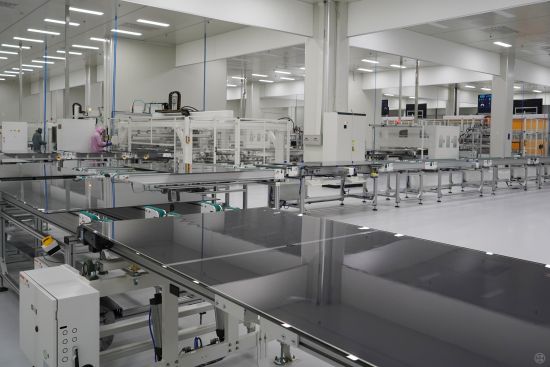 |
By the end of 2022, UtmoLight had established the world's largest and most advanced 150 MW perovskite photovoltaic production line, with modules measuring 1.2 meters by 0.6 meters, marking a significant transition from laboratory to factory. Dr. Jiang Weilong, Vice President of UtmoLight, noted that from an economic perspective, perovskite technology needs to reach mass production to surpass crystalline silicon battery technology. 'During the pilot production phase, if our 150 MW production line operates at full capacity, the cost can be around 1.5 yuan per watt, which does not offer a clear advantage over crystalline silicon. However, once perovskite technology reaches gigawatt-scale production, the cost can be reduced to less than 1 yuan per watt, giving it a significant advantage over crystalline silicon battery technology.'

Dr. Jiang Weilong also believes that perovskite technology has immense potential for efficiency improvement. Although the current efficiency of perovskite cells is lower than that of crystalline silicon cells, the theoretical efficiency limit of perovskite is 33%, which is 3.6% higher than that of crystalline silicon. This indicates a vast potential for development. Furthermore, the rate of improvement in perovskite technology is remarkably fast. As a new generation of photovoltaic technology that emerged in 2009, perovskite cells have achieved a maximum efficiency of 25.8% in laboratory settings within a decade, compared to the 26.8% maximum efficiency of crystalline silicon cells. The development speed is unprecedented. 'Therefore, we have every reason to believe that within a foreseeable timeframe, the efficiency of perovskite photovoltaic modules will surpass that of crystalline silicon modules.'
Moreover, the raw materials used in perovskite technology are conventional chemical materials, eliminating the risk of supply chain bottlenecks. The energy consumption during production is also very low, with a carbon footprint only one-quarter that of crystalline silicon battery technology.
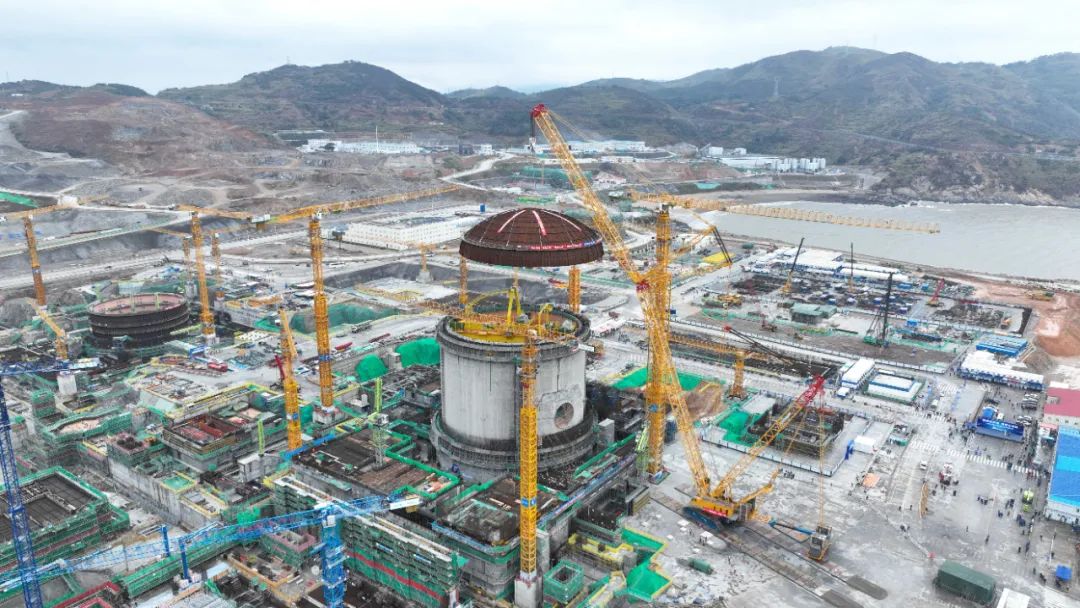
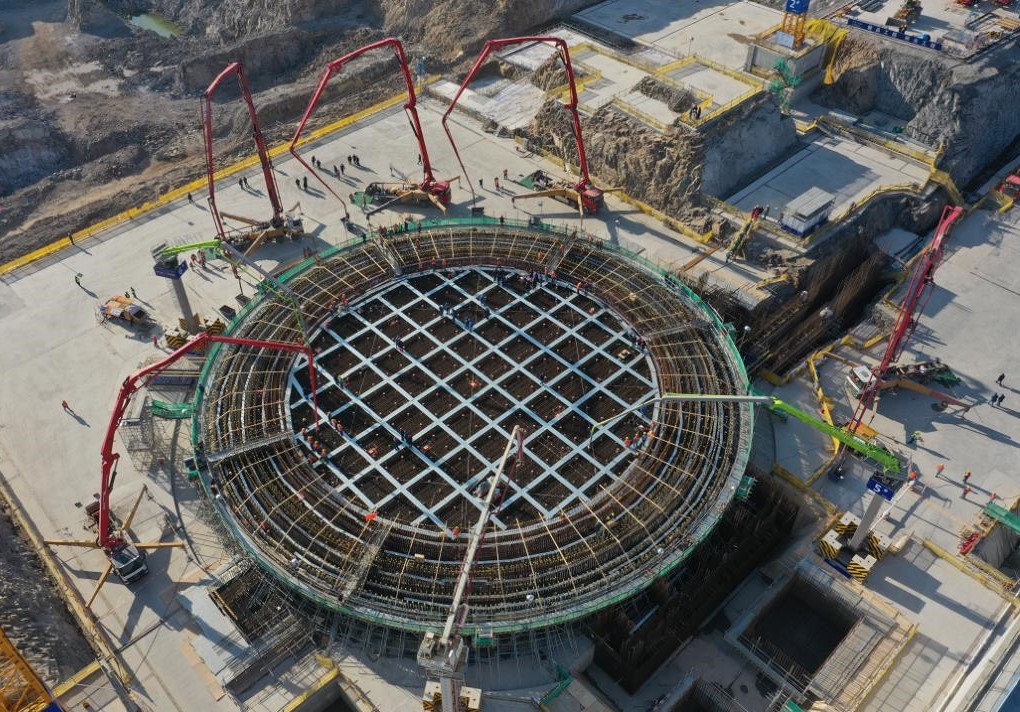
Zhejiang Launches Phase II of CNGNPC Cangnan San'ao Nuclear Power Plant
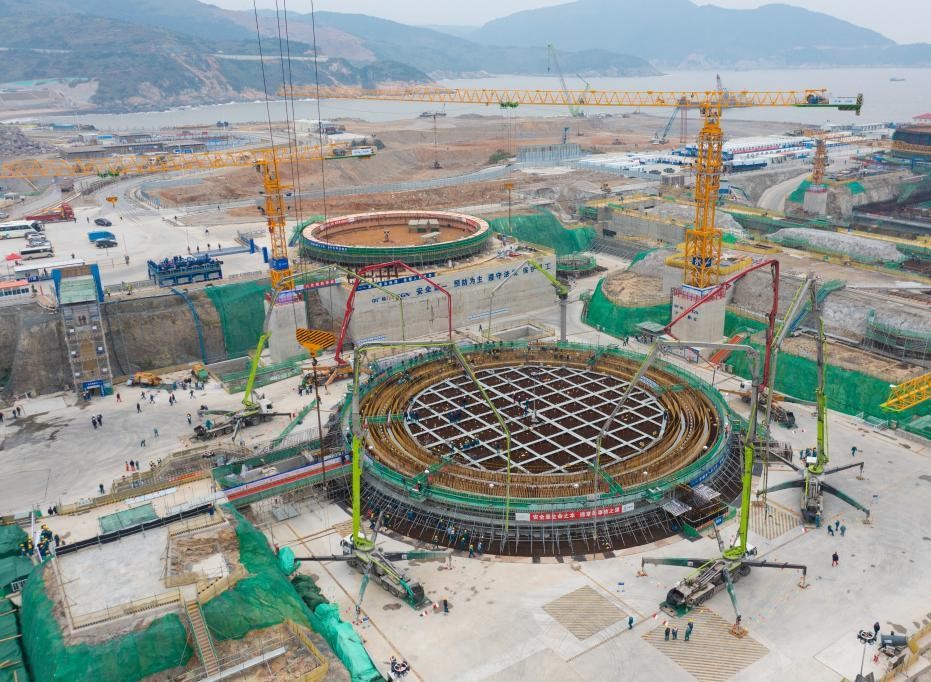
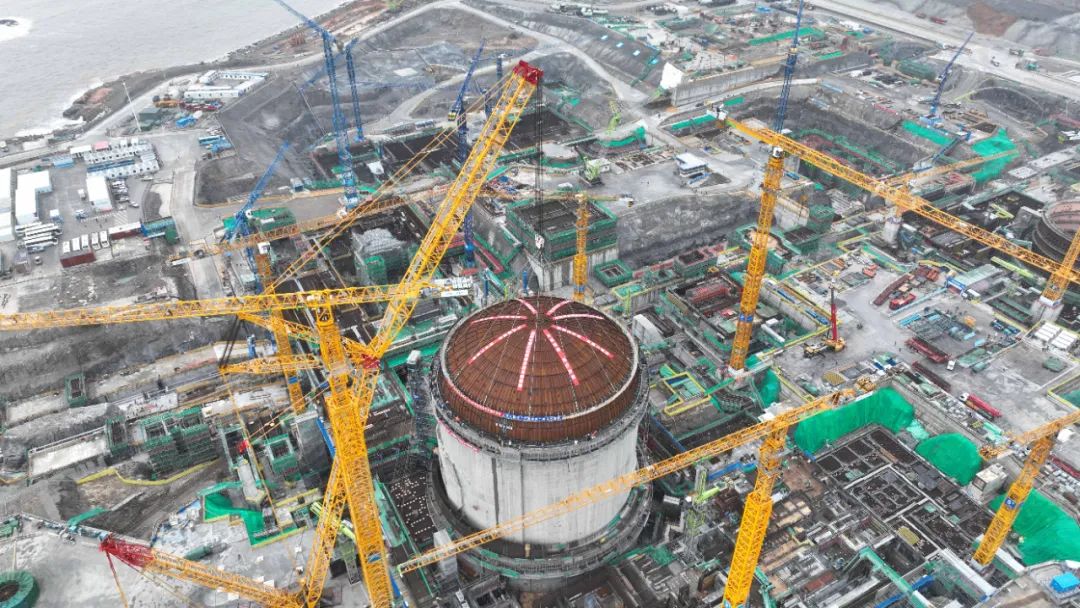
Phase II of the China General Nuclear Power Corporation (CNGNPC) Cangnan San'ao Nuclear Power Plant has been included in the list of major projects under construction in Zhejiang Province, with a total investment of 43.8 billion yuan, aiming to build two one-million-kilowatt pressurized water reactor units. This project will significantly enhance Zhejiang's energy supply capabilities while contributing to the development of green energy. As nuclear technology advances, the safety and economic viability of nuclear power will improve further.
Zhejiang San'ao Nuclear Power Project is located in San'ao Village, Xiaguan Town, Cangnan County, Wenzhou City, Zhejiang Province. The project is planned to build 6 sets of 'Hualong No. 1' MW pressurized water reactor nuclear power units. The construction of the first phase of the project will start in 2020 and 2021 respectively. Upon completion, the project will provide the Yangtze River Delta region with about 52.5 billion kilowatt-hours of green power annually, reduce the consumption of standard coal by 15.88 million tons, and reduce carbon dioxide emissions by 43.68 million tons, which is equivalent to afforestation of 118,000 hectares.
 |  |
 |  |
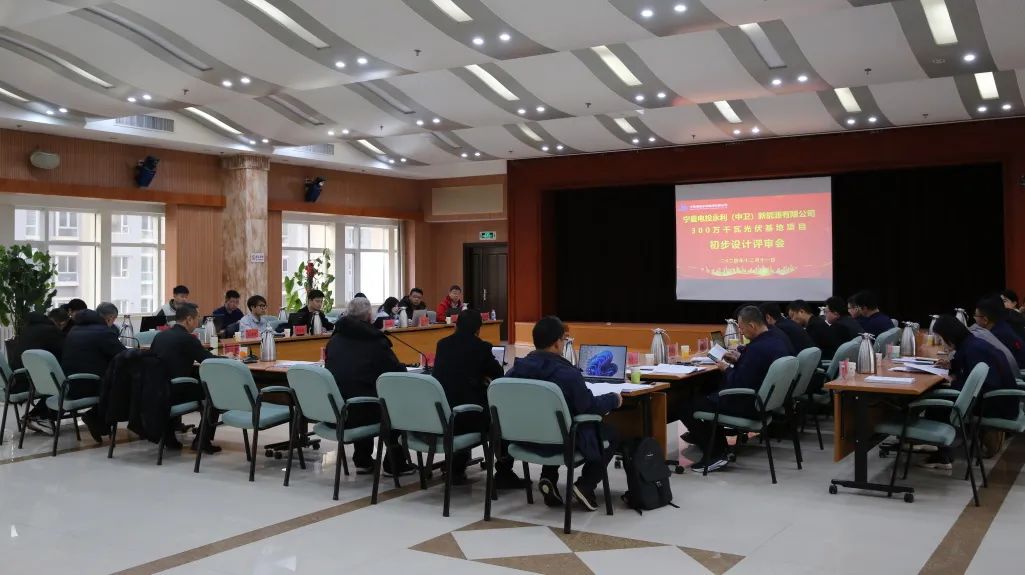
Ningxia Initiates 2025 New Energy Project Competitive Allocation
The Ningxia Hui Autonomous Region Development and Reform Commission has released the 'Ningxia Hui Autonomous Region 2025 New Energy Project Development Plan,' proposing to develop a new project with a capacity of 20,620 MW. This indicates Ningxia's firm and powerful commitment to the new energy sector. In the future, Ningxia will become greener and cleaner, contributing to the national energy transition.
 |  |
Global Electrical News
Uzbekistan Gas Pipeline Fire: On February 10, a significant gas pipeline in Uzbekistan caught fire, with emergency services currently on site. While there have been no reported casualties, this incident underscores the critical importance of energy infrastructure safety.

Baltic States Join European Grid: Lithuania, Latvia, and Estonia have successfully synchronized their power systems with the European grid, a significant step towards stabilizing and optimizing the regional power market. Lithuania's national leader even made a happy phone call announcing that he was leaving the Russian grid and joining the European grid instead.

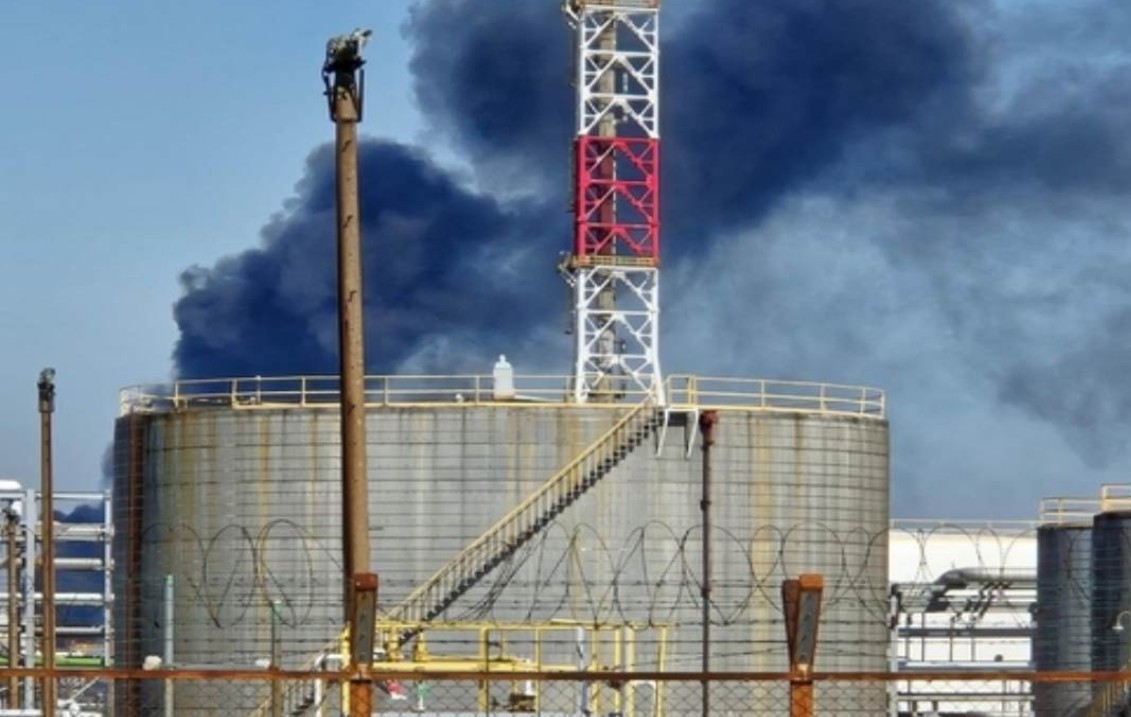
Explosion at Korean Oil Tank: An explosion at an oil storage tank in Ulsan, South Korea, resulted in one person injured and another in a coma. This incident serves as a stark reminder of the importance of safety measures in industrial production.
Author:
Guangzhou Aputon Electrical Co.,Ltd.









CONTACT
Office-ADD: Second floor, Jiutan Village, Xiuquan Street, Huadu District, Guangzhou, Guangdong, China
Factory-ADD: Fenjiangbei Road No.91, Chancheng, Foshan, Guangdong, China
(formerly State-owned Foshan Transformer Factory)
Phone: +86-15876591363
00 1 (323) 841-2808
E-mail: Tony@aputon-transformer.com
Lily@aputon-transformer.com





 WhatsApp
 E-mail